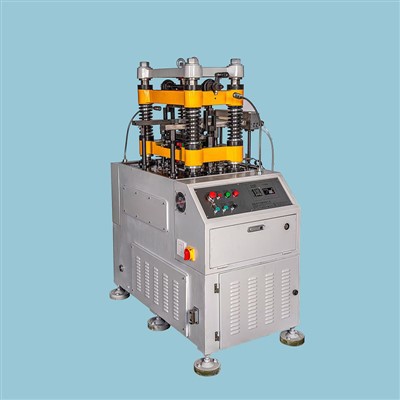
As a trusted supplier of radiator fin forming machines, we understand that the safety of operators is of paramount importance. These machines are powerful tools that can significantly enhance productivity in the manufacturing of radiator fins, but they also come with inherent risks. In this blog, we will discuss several key strategies to ensure the safety of operators when using a radiator fin forming machine.
1. Operator Training
Proper training is the foundation of safe operation. Before an operator starts using a radiator fin forming machine, they should undergo comprehensive training. This training should cover all aspects of the machine, including its components, functions, and operating procedures.
Operators should learn how to start and stop the machine correctly, how to adjust the settings for different fin sizes and shapes, and how to troubleshoot common problems. They should also be familiar with the safety features of the machine, such as emergency stop buttons, safety guards, and interlocks.
In addition to theoretical training, hands - on practice is also crucial. Operators should have the opportunity to operate the machine under the supervision of an experienced trainer. This allows them to gain practical experience and build confidence in using the machine safely.
2. Machine Maintenance
Regular maintenance of the radiator fin forming machine is essential for its safe operation. A well - maintained machine is less likely to malfunction, which reduces the risk of accidents.
The machine should be inspected regularly for any signs of wear and tear, such as loose parts, damaged belts, or worn - out cutting tools. Any issues should be addressed immediately to prevent further damage.
Lubrication is also an important part of machine maintenance. The moving parts of the machine should be lubricated according to the manufacturer's recommendations to ensure smooth operation and reduce friction.
Moreover, electrical components should be checked regularly to ensure that they are in good working condition. Faulty electrical systems can pose a serious safety hazard, so any electrical problems should be repaired by a qualified electrician.
3. Safety Equipment
Providing appropriate safety equipment for operators is another important measure to ensure their safety. Operators should wear personal protective equipment (PPE) such as safety glasses, gloves, and earplugs.
Safety glasses protect the eyes from flying debris, which is common during the fin - forming process. Gloves can prevent cuts and abrasions when handling the machine or the fins. Earplugs are necessary to protect the ears from the loud noise generated by the machine.
In addition to PPE, the machine itself should be equipped with safety devices. For example, safety guards should be installed around the moving parts of the machine to prevent operators from coming into contact with them. Emergency stop buttons should be easily accessible so that operators can quickly stop the machine in case of an emergency.
4. Workplace Design
The design of the workplace can also have a significant impact on operator safety. The area around the radiator fin forming machine should be clean and well - organized. There should be enough space for operators to move around safely and perform their tasks without being crowded.
The machine should be installed on a stable surface to prevent it from vibrating or tipping over during operation. Adequate lighting should be provided to ensure that operators can see clearly what they are doing.
Moreover, the workplace should have clear signage indicating the location of emergency exits, safety equipment, and operating procedures. This helps operators to quickly find the necessary information in case of an emergency.
5. Risk Assessment
Conducting a risk assessment is an important step in ensuring operator safety. A risk assessment involves identifying the potential hazards associated with using the radiator fin forming machine and evaluating the likelihood and severity of these hazards.


Based on the risk assessment, appropriate control measures can be implemented to reduce the risks. For example, if the risk assessment identifies a high risk of operators getting their fingers caught in the machine, additional safety guards or interlocks can be installed.
Regular reviews of the risk assessment should be carried out to ensure that it remains up - to - date. As the machine is modified or new operating procedures are introduced, the risk assessment may need to be revised.
Our Product Range
We offer a wide range of radiator fin forming machines to meet different customer needs. Our Condenser Fin Forming Machine is designed for the production of condenser fins, which are widely used in air - conditioning and refrigeration systems. It is highly efficient and can produce high - quality fins with precise dimensions.
Our Stainless Steel Fin Forming Machine is suitable for manufacturing stainless steel fins. Stainless steel fins are known for their corrosion resistance and durability, making them ideal for applications in harsh environments.
We also have a Heat Exchanger Fin Forming Machine that is specifically designed for the production of heat exchanger fins. Heat exchanger fins play a crucial role in improving the heat transfer efficiency of heat exchangers.
Conclusion
Ensuring the safety of operators when using a radiator fin forming machine requires a comprehensive approach that includes operator training, machine maintenance, safety equipment, workplace design, and risk assessment. By implementing these measures, we can minimize the risks associated with using these machines and create a safe working environment for operators.
If you are interested in our radiator fin forming machines or have any questions about operator safety, please feel free to contact us for more information and to discuss your specific requirements. We are committed to providing high - quality products and services to our customers.
References
- Manufacturer's manuals for radiator fin forming machines
- Occupational safety and health regulations related to machinery operation