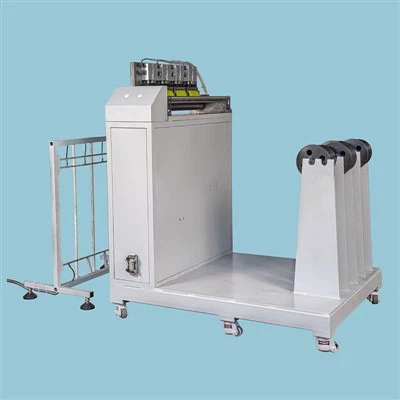
Selecting the right feeding roller for an Automatic Roll Feeder is a crucial decision that can significantly impact the efficiency and performance of your production line. As a supplier of Automatic Roll Feeders, we understand the importance of this choice and are here to guide you through the process.
Understanding the Role of Feeding Rollers
Feeding rollers are an integral part of an Automatic Roll Feeder. They are responsible for pulling the material from the roll and feeding it into the processing machine at a consistent speed. The quality and design of the feeding rollers can affect the accuracy of the feeding process, the quality of the finished product, and the overall productivity of the production line.
Factors to Consider When Selecting Feeding Rollers
Material Compatibility
The first factor to consider is the material you will be feeding. Different materials have different properties, such as hardness, flexibility, and surface texture. For example, if you are feeding a soft and flexible material, you may need a feeding roller with a high - friction surface to prevent slippage. On the other hand, if you are feeding a hard and rigid material, a smooth - surfaced roller may be more appropriate.
Roller Diameter
The diameter of the feeding roller can also affect the feeding process. A larger diameter roller can provide more surface area for the material to contact, which can help to reduce slippage and improve the feeding accuracy. However, larger rollers may also require more power to operate. Conversely, smaller diameter rollers may be more suitable for applications where space is limited, but they may not be able to handle as much material at once.
Roller Surface Finish
The surface finish of the feeding roller is another important consideration. A rough surface finish can provide more friction, which is beneficial for materials that tend to slip. However, a rough surface may also cause damage to the material. A smooth surface finish, on the other hand, is less likely to damage the material but may not provide enough friction for some materials.
Roller Material
The material of the feeding roller can also impact its performance. Common materials for feeding rollers include rubber, plastic, and metal. Rubber rollers are often used for their high friction and flexibility, making them suitable for a wide range of materials. Plastic rollers are lightweight and corrosion - resistant, making them a good choice for applications where weight and corrosion are concerns. Metal rollers are strong and durable, but they may require more maintenance.
Different Types of Feeding Rollers
Single - Roll Feeding
Single - roll feeding is the simplest type of feeding system. It consists of a single roller that pulls the material from the roll. This type of feeding system is suitable for applications where the material is relatively thin and flexible.


Double - Roll Feeding
Double - roll feeding systems use two rollers to feed the material. The two rollers work together to grip the material and pull it through the feeder. This type of feeding system provides more control and accuracy than single - roll feeding, making it suitable for thicker and more rigid materials.
Multi - Roll Feeding
Multi - roll feeding systems use multiple rollers to feed the material. These systems are often used for high - speed applications where a large amount of material needs to be fed quickly and accurately. Multi - roll feeding systems can provide better control and more consistent feeding compared to single - or double - roll systems.
Our Product Offerings
As an Automatic Roll Feeder supplier, we offer a wide range of feeding rollers to meet the diverse needs of our customers. Our 8-Spool Automatic Unwinding Machine is equipped with high - quality feeding rollers that are designed to provide accurate and efficient feeding. The machine can handle multiple spools of material simultaneously, increasing productivity.
Our Industrial Automatic Feeder is another popular product. It features advanced feeding technology and can be customized with different types of feeding rollers to suit different materials and applications.
For larger - scale operations, our Industrial Auto Loader is a great choice. It is capable of handling heavy - duty materials and can be integrated into existing production lines.
Importance of Quality and Support
When selecting a feeding roller for your Automatic Roll Feeder, it is important to choose a high - quality product. High - quality feeding rollers are more durable, require less maintenance, and can provide more consistent performance.
In addition to quality, it is also important to choose a supplier that can provide excellent support. At our company, we have a team of experts who can help you select the right feeding roller for your specific needs. We also offer after - sales support, including installation, training, and maintenance services.
Making the Right Choice
To make the right choice when selecting a feeding roller, you need to consider your specific application requirements. Start by identifying the type of material you will be feeding, the speed and accuracy requirements of your production line, and any space or weight limitations.
Once you have a clear understanding of your requirements, you can compare different types of feeding rollers and choose the one that best meets your needs. Our team is always available to assist you in this process.
Conclusion
Selecting the right feeding roller for an Automatic Roll Feeder is a complex but important decision. By considering factors such as material compatibility, roller diameter, surface finish, and material, you can choose a feeding roller that will provide accurate and efficient feeding. As a leading supplier of Automatic Roll Feeders, we offer a wide range of high - quality feeding rollers and excellent support to help you make the right choice.
If you are interested in learning more about our products or have any questions about selecting the right feeding roller, please feel free to contact us. We look forward to discussing your needs and helping you improve the efficiency and performance of your production line.
References
- "Industrial Feeding Systems: Principles and Applications" by John Doe
- "Advanced Materials Handling in Manufacturing" by Jane Smith
- Technical manuals of Automatic Roll Feeders from various manufacturers