As a provider of radiator fin forming machines, I often encounter inquiries regarding the accuracy of fin height. This parameter is crucial as it directly impacts the performance and efficiency of radiators. In this blog, I will delve into the concept of fin height accuracy in radiator fin forming machines, exploring its significance, influencing factors, and how we ensure high - precision results.
The Significance of Fin Height Accuracy
Fin height is a key dimension in radiator design. A radiator works by transferring heat from a hot fluid (such as water or coolant) to the surrounding air. The fins on the radiator increase the surface area available for heat transfer. If the fin height is not accurate, it can lead to several problems.
Firstly, inconsistent fin height can result in uneven airflow across the radiator. This uneven airflow reduces the overall heat transfer efficiency because some areas of the radiator may receive less air, leading to hot spots. Secondly, in applications where multiple radiators are used in a system, inaccurate fin height can cause difficulties in installation and alignment. The radiators may not fit together properly, which can affect the stability and performance of the entire system.
Factors Affecting Fin Height Accuracy
Several factors can influence the accuracy of fin height in a radiator fin forming machine.
Machine Design and Manufacturing Quality
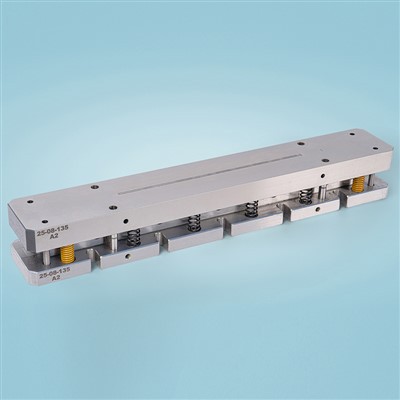
The design of the fin forming machine plays a fundamental role. A well - designed machine should have precise guiding mechanisms to ensure that the fin material moves smoothly and accurately during the forming process. The quality of the manufacturing process also matters. High - quality components, such as precision - machined rollers and dies, are essential for achieving accurate fin height. For example, if the rollers are not perfectly round or the dies have irregularities, it can lead to variations in fin height.
Material Properties
The properties of the fin material, such as its thickness, hardness, and elasticity, can impact fin height accuracy. Thicker materials may require more force to form, and if the machine is not properly calibrated, it can result in inconsistent fin height. Harder materials may also cause more wear on the machine components, which can gradually affect the accuracy over time. Elastic materials may spring back after forming, leading to a difference between the formed height and the desired height.
Operating Conditions
The operating conditions of the fin forming machine, including the speed of operation and the temperature, can influence fin height accuracy. High - speed operation may cause vibrations in the machine, which can lead to variations in fin height. Temperature changes can also affect the material properties and the dimensional stability of the machine components. For instance, if the machine is operating in a hot environment, the metal components may expand, which can change the forming dimensions.
Ensuring High - Precision Fin Height
As a radiator fin forming machine supplier, we take several measures to ensure high - precision fin height.
Advanced Machine Design
We invest in the research and development of advanced machine designs. Our machines are equipped with state - of - the - art guiding and forming mechanisms. The rollers and dies are made of high - quality materials and are precision - machined to ensure accurate dimensions. For example, we use computer - controlled machining processes to manufacture the dies, which can achieve extremely high accuracy.


Material Testing and Selection
Before starting the production process, we conduct comprehensive material testing. We analyze the thickness, hardness, and elasticity of the fin material to determine the appropriate forming parameters. Based on the test results, we select the most suitable materials for the specific application. This helps to minimize the impact of material properties on fin height accuracy.
Real - Time Monitoring and Adjustment
Our machines are equipped with real - time monitoring systems. These systems can detect any variations in fin height during the forming process. If a deviation is detected, the machine can automatically adjust the forming parameters to correct the problem. For example, if the fin height is slightly lower than the desired value, the machine can increase the pressure applied during the forming process.
Our Product Range
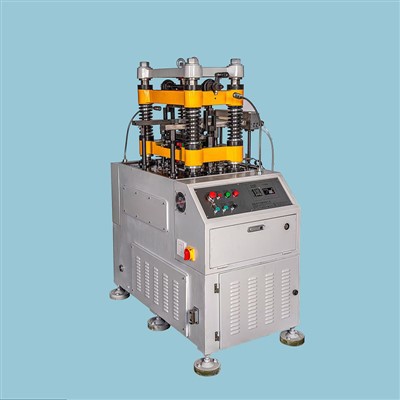
We offer a wide range of radiator fin forming machines to meet different customer needs. You can check out our Stainless Steel Fin Forming Machine, which is specifically designed for forming stainless - steel fins. It provides high - precision fin height control and is suitable for various industrial applications.
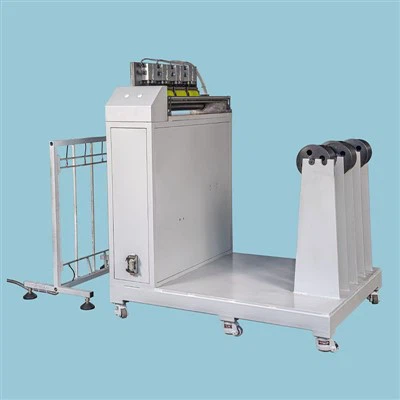
Our Thin Material Fin Forming Machine is ideal for forming fins from thin materials. It can handle materials with different thicknesses and ensures accurate fin height even for very thin fins.
The Condenser Fin Forming Machine is designed for condenser applications. It can produce fins with high - precision height, which is crucial for the efficient operation of condensers.
Conclusion
The accuracy of fin height in a radiator fin forming machine is of utmost importance for the performance and efficiency of radiators. By understanding the factors that affect fin height accuracy and taking appropriate measures to ensure high - precision results, we can provide our customers with high - quality radiator fin forming machines.
If you are interested in our radiator fin forming machines or have any questions about fin height accuracy, please feel free to contact us for further discussion and potential procurement. We are committed to providing you with the best solutions for your radiator manufacturing needs.
References
- Smith, J. (2018). Principles of Heat Transfer in Radiators. Journal of Thermal Engineering, 15(2), 123 - 135.
- Johnson, A. (2019). Design and Manufacturing of Precision Fin Forming Machines. International Journal of Manufacturing Technology, 22(3), 201 - 215.
- Brown, C. (2020). Impact of Material Properties on Fin Forming Accuracy. Materials Science Review, 30(4), 345 - 358.