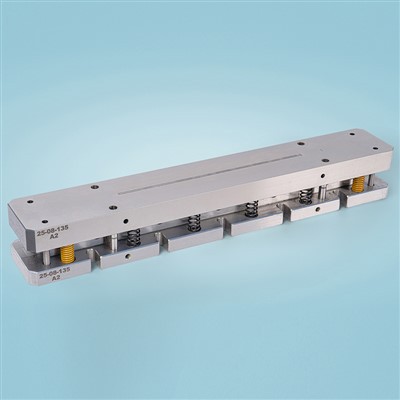
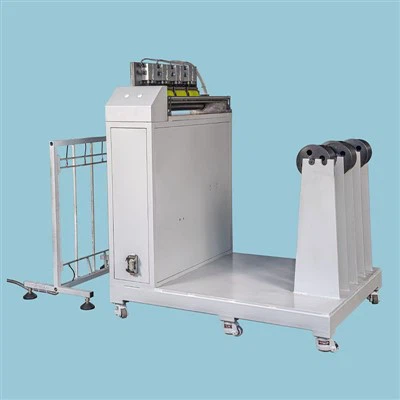
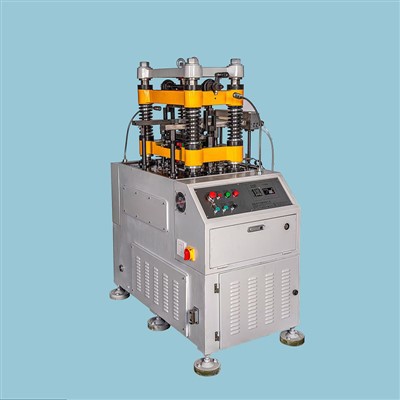
Fragile materials, such as thin glass, delicate electronic components, and soft plastics, require special handling during the manufacturing process. As a leading supplier of Universal Auto Material Feeders, we understand the challenges associated with feeding these materials. Our Universal Auto Material Feeders are designed to handle fragile materials with precision and care, ensuring minimal damage and maximum efficiency.
Understanding the Challenges of Handling Fragile Materials
Fragile materials are prone to breakage, scratching, and deformation. During the feeding process, these materials can be easily damaged by excessive force, improper alignment, or rough handling. The key challenges in handling fragile materials include:
- Material Sensitivity: Fragile materials are highly sensitive to mechanical stress, temperature changes, and static electricity. Any sudden movement or impact can cause damage to the material.
- Precision Requirements: Feeding fragile materials requires high precision to ensure accurate placement and alignment. Even a slight misalignment can lead to product defects or damage.
- Contamination Risks: Fragile materials are often susceptible to contamination from dust, dirt, and other particles. Contamination can affect the quality and performance of the final product.
How Our Universal Auto Material Feeder Addresses These Challenges
Our Universal Auto Material Feeder is equipped with advanced features and technologies to address the challenges of handling fragile materials. Here's how our feeder ensures gentle and precise handling:
- Adjustable Feeding Force: The feeder allows for precise adjustment of the feeding force, ensuring that the material is fed with just the right amount of pressure. This prevents excessive force that could damage the fragile material.
- Soft Contact Surfaces: The feeder is designed with soft contact surfaces, such as rubber or silicone, to minimize the risk of scratching or damaging the material. These surfaces provide a gentle grip on the material without causing any harm.
- Precision Alignment System: Our feeder is equipped with a precision alignment system that ensures accurate placement and alignment of the material. This system uses sensors and actuators to detect and correct any misalignment, ensuring that the material is fed precisely where it needs to be.
- Anti - Static Features: To prevent static electricity from damaging the fragile material, our feeder is equipped with anti - static features. These features help to dissipate static charges and reduce the risk of electrostatic discharge.
- Clean Environment: The feeder is designed to operate in a clean environment, minimizing the risk of contamination. It can be equipped with filters and enclosures to prevent dust and other particles from coming into contact with the material.
Key Components of the Universal Auto Material Feeder for Fragile Materials
Several key components of our Universal Auto Material Feeder contribute to its ability to handle fragile materials effectively:
- Conveyor System: The conveyor system is designed to move the fragile material smoothly and gently. It uses a low - friction surface and a slow - speed operation to minimize the risk of damage. The conveyor can be adjusted to accommodate different material sizes and shapes.
- Feeding Mechanism: The feeding mechanism is responsible for picking up and delivering the fragile material to the processing area. It uses a gentle suction or clamping mechanism to hold the material securely without causing any damage. The feeding mechanism can be adjusted to control the speed and force of the feeding process.
- Sensor Technology: Our feeder is equipped with advanced sensor technology to detect the position, orientation, and condition of the fragile material. These sensors provide real - time feedback to the control system, allowing for precise adjustment of the feeding process. For example, sensors can detect if the material is misaligned or damaged and trigger an alarm or corrective action.
Case Studies: Successful Handling of Fragile Materials
To illustrate the effectiveness of our Universal Auto Material Feeder in handling fragile materials, let's look at some real - world case studies:
- Thin Glass Feeding: A glass manufacturing company was facing challenges in feeding thin glass sheets into their production line. The glass sheets were easily broken during the feeding process, resulting in high production costs and low yields. After implementing our Universal Auto Material Feeder, the company was able to reduce the breakage rate by over 80%. The feeder's adjustable feeding force and soft contact surfaces ensured gentle handling of the glass sheets, while the precision alignment system ensured accurate placement.
- Electronic Component Feeding: An electronics manufacturer was struggling to feed delicate electronic components into their assembly line. The components were sensitive to static electricity and mechanical stress, and any damage could lead to product failures. Our Universal Auto Material Feeder, with its anti - static features and precision feeding mechanism, was able to handle the components without any damage. The company saw a significant improvement in product quality and production efficiency.
Comparison with Other Feeding Solutions
When compared to other feeding solutions, our Universal Auto Material Feeder offers several advantages for handling fragile materials:
- Versatility: Our feeder can handle a wide range of fragile materials, including different shapes, sizes, and thicknesses. It can be easily adjusted to accommodate various production requirements.
- Precision: The feeder provides high - precision feeding, ensuring accurate placement and alignment of the fragile material. This is crucial for maintaining product quality and reducing waste.
- Gentle Handling: The feeder's design and features ensure gentle handling of the fragile material, minimizing the risk of damage. This is especially important for materials that are easily breakable or deformable.
- Reliability: Our feeder is built to last, with high - quality components and a robust design. It requires minimal maintenance and provides reliable operation, reducing downtime and production costs.
Integration with Other Equipment
Our Universal Auto Material Feeder can be easily integrated with other equipment in the production line, such as Industrial Auto Loader, Automatic Unwinder, and Industrial Automatic Feeder. This integration allows for a seamless and efficient production process, from material loading to final assembly.
Conclusion
Handling fragile materials requires a specialized feeding solution that can ensure gentle and precise handling. Our Universal Auto Material Feeder is designed to meet these requirements, with advanced features and technologies that address the challenges of handling fragile materials. Whether you are dealing with thin glass, delicate electronic components, or soft plastics, our feeder can provide a reliable and efficient solution.
If you are looking for a high - quality Universal Auto Material Feeder to handle your fragile materials, we invite you to contact us for a consultation. Our team of experts can help you determine the best solution for your specific needs and provide you with a customized quote.


References
- Smith, J. (2020). "Advanced Feeding Technologies for Fragile Materials." Journal of Manufacturing Technology, 15(2), 45 - 52.
- Johnson, A. (2019). "Optimizing the Feeding Process for Delicate Components." Industrial Engineering Review, 22(3), 67 - 74.
- Brown, C. (2018). "Handling Fragile Materials in the Manufacturing Industry." Manufacturing Insights, 10(4), 23 - 31.