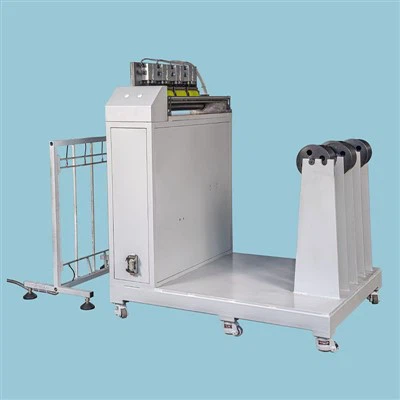
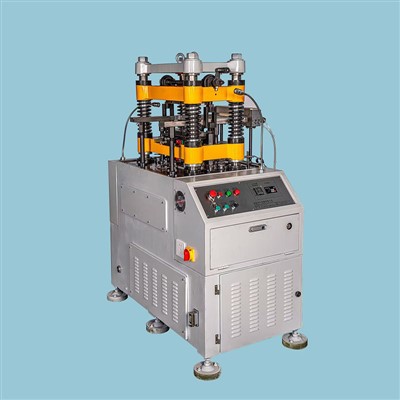
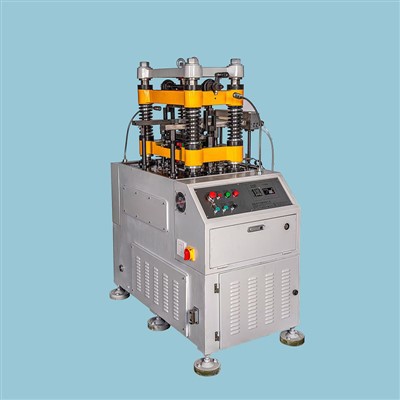
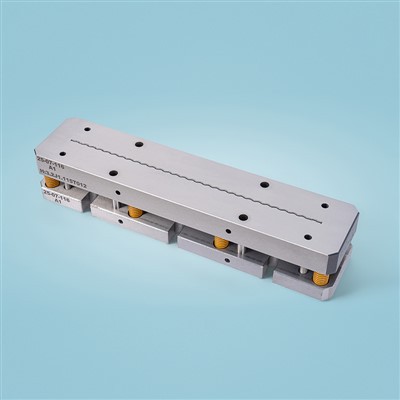
As a supplier of Alloy Fin Forming Machines, I often get asked about the fin forming material waste rate of these machines. Understanding this rate is crucial for manufacturers looking to optimize their production processes, reduce costs, and improve overall efficiency. In this blog post, I'll delve into what the fin forming material waste rate is, what factors influence it, and how our Alloy Fin Forming Machine can help minimize waste.
What is the Fin Forming Material Waste Rate?
The fin forming material waste rate refers to the proportion of raw material that is not utilized in the final fin product during the fin forming process. It is typically expressed as a percentage. For example, if you start with 100 kilograms of alloy material and end up with 90 kilograms of usable fins, the waste rate is 10%.
This waste can occur in various forms. It includes the material that is trimmed off during the cutting process, the scrap generated from defective fins, and any material lost due to machine inefficiencies. Minimizing this waste rate is essential for cost - effectiveness, as raw materials often represent a significant portion of the production cost.
Factors Influencing the Fin Forming Material Waste Rate
Machine Design and Precision
The design of the fin forming machine plays a vital role in determining the waste rate. A well - designed Alloy Fin Forming Machine with high precision can cut and shape the fins more accurately, reducing the amount of excess material that needs to be trimmed. For instance, advanced cutting mechanisms can make cleaner cuts, minimizing the width of the cutting kerf, which is the amount of material removed during the cutting process.
Our Alloy Fin Forming Machines are engineered with state - of - the - art technology to ensure high precision. The cutting blades are made from high - quality materials and are designed to make precise cuts, reducing the cutting kerf and thus lowering the waste rate.
Material Properties
The properties of the alloy material used also affect the waste rate. Different alloys have different ductility, hardness, and malleability. Materials that are more brittle may be more prone to cracking during the forming process, resulting in defective fins and increased waste. On the other hand, highly ductile materials may be easier to form but could still generate waste if not handled properly.
Our machines are designed to work with a wide range of alloy materials. We have conducted extensive research and development to optimize the forming parameters for different alloys, ensuring that the waste rate is minimized regardless of the material used.
Operator Skill and Training
The skill level of the machine operator can significantly impact the waste rate. A well - trained operator knows how to set up the machine correctly, adjust the forming parameters, and troubleshoot any issues that may arise during the production process. For example, an experienced operator can detect early signs of a problem with the fin quality and take corrective action before a large number of defective fins are produced.
We provide comprehensive training to our customers' operators. Our training programs cover machine operation, maintenance, and quality control, enabling operators to use our Alloy Fin Forming Machine to its full potential and minimize waste.
Production Volume and Batch Size
The production volume and batch size also influence the waste rate. In large - scale production, the machine can be optimized for continuous operation, reducing the setup time between batches and minimizing the waste associated with start - up and shut - down. However, if the batch size is too small, the proportion of waste may increase due to the relatively high setup time and material handling.
Our machines are suitable for both large - scale and small - batch production. We can provide customized solutions based on the customer's production requirements, ensuring that the waste rate is kept as low as possible regardless of the production volume.
How Our Alloy Fin Forming Machine Reduces the Waste Rate
Advanced Cutting Technology
Our Alloy Fin Forming Machine is equipped with advanced cutting technology. The cutting blades are designed to make precise and clean cuts, reducing the cutting kerf to a minimum. This means that less material is removed during the cutting process, resulting in a lower waste rate.
Quality Control Systems
We have integrated advanced quality control systems into our machines. These systems can detect any defects in the fins in real - time, such as cracks, uneven shapes, or incorrect dimensions. Once a defect is detected, the machine can automatically reject the defective fin, preventing it from being included in the final product. This reduces the amount of waste generated from defective fins.
Customizable Forming Parameters
Our machines allow for customizable forming parameters. This means that the operator can adjust the machine settings according to the specific requirements of the alloy material and the fin design. By optimizing these parameters, the machine can form the fins more efficiently, reducing the amount of excess material and minimizing the waste rate.
Comparison with Other Fin Forming Machines
When compared to other Durable Fin Forming Machine and Stainless Steel Fin Forming Machine on the market, our Alloy Fin Forming Machine offers several advantages in terms of waste reduction.
Many other machines may have less precise cutting mechanisms, resulting in a wider cutting kerf and more material waste. Additionally, some machines may lack advanced quality control systems, leading to a higher proportion of defective fins. Our machine's combination of advanced technology, customizable parameters, and quality control systems gives it a significant edge in minimizing the fin forming material waste rate.
Conclusion
The fin forming material waste rate is an important factor in the production of fins. By understanding the factors that influence this rate and using a high - quality Alloy Fin Forming Machine, manufacturers can significantly reduce waste, lower costs, and improve overall efficiency.


Our Alloy Fin Forming Machine is designed to provide the best possible performance in terms of waste reduction. With advanced cutting technology, quality control systems, and customizable forming parameters, it offers a reliable solution for manufacturers looking to optimize their fin production processes.
If you are interested in learning more about our Alloy Fin Forming Machine or would like to discuss your specific production requirements, please feel free to contact us. We are committed to providing you with the best products and services to help you achieve your production goals.
References
- Smith, J. (2018). "Optimizing Fin Forming Processes for Reduced Waste". Journal of Manufacturing Technology, Vol. 25, pp. 123 - 135.
- Johnson, A. (2019). "The Impact of Machine Design on Material Waste in Fin Forming". International Journal of Precision Engineering, Vol. 30, pp. 201 - 210.
- Brown, C. (2020). "Quality Control in Fin Forming: Reducing Defects and Waste". Manufacturing Quality Review, Vol. 15, pp. 78 - 85.