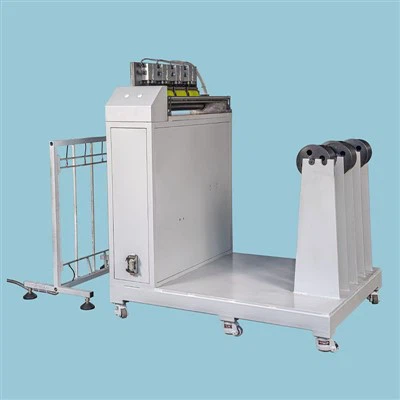
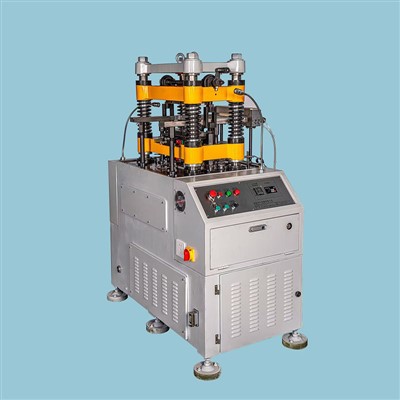
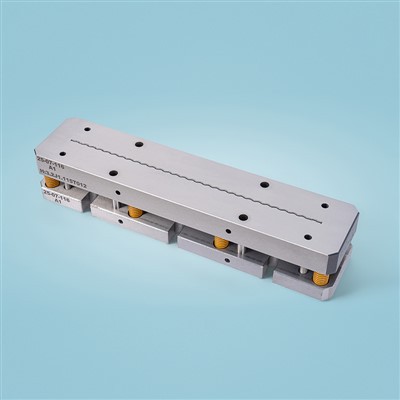
As a supplier of the Universal Auto Material Feeder, I understand the significance of environmental requirements in the operation of this equipment. The Universal Auto Material Feeder, available at Universal Auto Material Feeder, is a crucial component in many industrial processes, and its environmental performance can have a wide - ranging impact on the overall production environment.
Temperature and Humidity Requirements
The Universal Auto Material Feeder operates most efficiently within a specific temperature and humidity range. Generally, a temperature between 20°C - 30°C is considered ideal. At lower temperatures, the viscosity of the materials being fed may increase, which can lead to clogging in the feeding channels. For example, if the temperature drops below 15°C, some viscous materials may become too thick to flow smoothly through the feeder, causing disruptions in the production process.
On the other hand, high temperatures can also pose problems. If the temperature exceeds 35°C, the electronic components of the feeder may overheat. This can result in malfunctions, reduced lifespan of the components, and potential safety hazards. The heat can cause the expansion of certain parts, leading to misalignments and inaccurate feeding.
Humidity is another important factor. A relative humidity level between 40% - 60% is recommended. Low humidity can cause static electricity to build up on the feeder and the materials. Static electricity can attract dust and debris, which may contaminate the materials being fed and also interfere with the proper functioning of the electronic sensors in the feeder. High humidity, on the other hand, can lead to corrosion of the metal parts of the feeder. Moisture in the air can react with the metal surfaces, causing rust and weakening the structural integrity of the equipment.
Air Quality
The air quality in the environment where the Universal Auto Material Feeder is installed is of utmost importance. The feeder should be placed in an area with clean air, free from excessive dust, fumes, and particulate matter. Dust particles can enter the feeder's moving parts and electronic components, causing abrasion and damage. For instance, fine dust can accumulate on the gears and bearings, increasing friction and reducing the efficiency of the feeder.
Fumes from industrial processes can also be harmful. Chemical fumes can corrode the feeder's surfaces and damage the insulation of the electrical wires. In some cases, fumes may react with the materials being fed, altering their properties and affecting the quality of the final product. To ensure good air quality, it is advisable to install air filtration systems in the production area. These systems can remove dust, fumes, and other contaminants from the air, creating a clean and safe environment for the feeder to operate.
Noise and Vibration
The Universal Auto Material Feeder should be installed in an environment with low noise and vibration levels. Excessive noise can be a sign of mechanical problems within the feeder, such as loose parts or misaligned components. High - frequency noise can also cause stress on the electronic components, potentially leading to premature failure.
Vibration can also have a negative impact on the feeder's performance. Strong vibrations can cause the feeder to move out of position, resulting in inaccurate feeding. Vibration can also loosen the connections between different parts of the feeder, leading to malfunctions. To reduce noise and vibration, the feeder should be installed on a stable and vibration - dampening surface. Anti - vibration pads can be used to absorb the vibrations generated during the operation of the feeder.
Compatibility with Surrounding Equipment
The Universal Auto Material Feeder needs to be compatible with the surrounding equipment in the production line. For example, it should be able to interface smoothly with an Automatic Roll Feeder or an 8 - Spool Automatic Unwinding Machine. Compatibility issues can lead to inefficiencies in the production process. If the feeder is not properly synchronized with other equipment, it may over - feed or under - feed materials, resulting in waste and reduced productivity.
In addition, the feeder should be able to operate in harmony with the control systems of the surrounding equipment. The communication between the feeder and other machines should be seamless to ensure a continuous and efficient production flow.


Energy Efficiency and Environmental Impact
As a responsible supplier, we are committed to ensuring that the Universal Auto Material Feeder is energy - efficient and has a minimal environmental impact. The feeder is designed with advanced technologies to reduce power consumption. For example, it uses energy - saving motors and intelligent control systems that adjust the power consumption based on the actual demand.
In terms of environmental impact, the materials used in the construction of the feeder are carefully selected to be recyclable and environmentally friendly. We also encourage our customers to implement proper waste management practices when using the feeder. This includes recycling the packaging materials and disposing of any waste materials in an environmentally responsible manner.
Importance of Meeting Environmental Requirements
Meeting the environmental requirements for the Universal Auto Material Feeder is not only beneficial for the proper functioning of the equipment but also for the overall production environment. By operating the feeder within the recommended temperature, humidity, and air quality conditions, the risk of breakdowns and malfunctions is significantly reduced. This leads to increased productivity and reduced maintenance costs.
Moreover, a clean and stable environment helps to ensure the quality of the materials being fed. The feeder can deliver materials more accurately and consistently, resulting in higher - quality products. Additionally, by reducing energy consumption and environmental impact, companies can contribute to a more sustainable future.
Contact for Purchase and Discussion
If you are interested in our Universal Auto Material Feeder and want to learn more about how it can meet your production needs while adhering to environmental requirements, we invite you to reach out for a purchase discussion. Our team of experts is ready to provide you with detailed information, answer your questions, and help you make an informed decision.
References
- Industrial Equipment Handbook: Guidelines for Optimal Operation and Maintenance
- Environmental Standards for Manufacturing Equipment in the 21st Century
- Best Practices for Energy - Efficient Industrial Feeding Systems