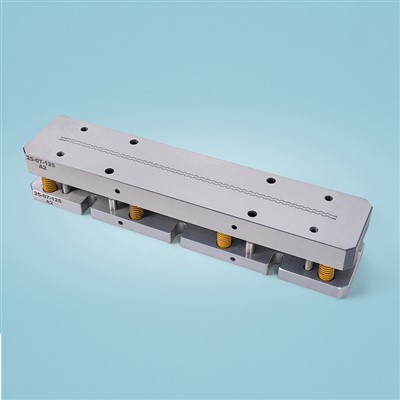
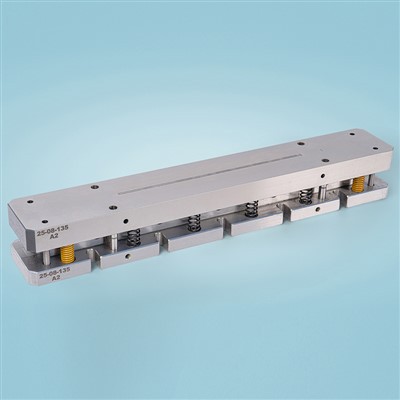
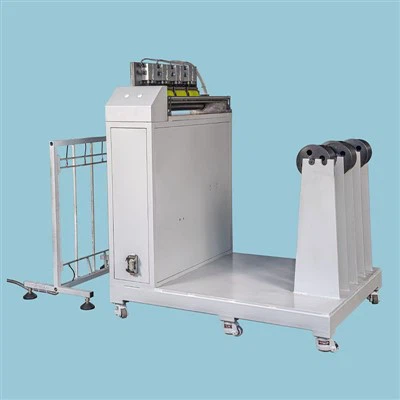
As a stamping die supplier, I've witnessed firsthand the critical role that die maintenance records play in the stamping industry. These records are not just a formality; they are an essential tool for ensuring the longevity, efficiency, and quality of stamping dies. In this blog, I'll delve into the importance of die maintenance records and how they can benefit both die suppliers and end-users.
Ensuring Die Longevity
One of the primary reasons for maintaining detailed die maintenance records is to extend the lifespan of stamping dies. Stamping dies are expensive investments, and maximizing their service life is crucial for cost-effectiveness. By keeping track of maintenance activities such as cleaning, lubrication, and part replacements, we can identify patterns and trends that may indicate potential issues. For example, if a particular die requires frequent lubrication, it could be a sign of excessive wear or improper alignment. By addressing these issues promptly, we can prevent further damage and extend the die's lifespan.
Moreover, die maintenance records provide a historical overview of the die's performance. This information can be used to predict when maintenance is required and to schedule preventive maintenance activities. By performing regular maintenance, we can reduce the risk of unexpected breakdowns and minimize downtime. This is particularly important in high-volume stamping operations, where even a short interruption in production can result in significant losses.
Improving Die Performance
In addition to extending the lifespan of stamping dies, maintenance records can also help improve their performance. By analyzing the data collected from maintenance activities, we can identify areas for improvement and implement corrective actions. For example, if a die is producing parts with inconsistent dimensions, the maintenance records may reveal that the die is not being properly aligned or that the cutting edges are dull. By addressing these issues, we can improve the quality of the stamped parts and reduce scrap rates.
Furthermore, die maintenance records can be used to optimize the die's performance. By tracking the frequency and type of maintenance activities, we can determine the most effective maintenance schedule for each die. This can help reduce the amount of time and resources spent on maintenance while ensuring that the die is operating at its peak performance.
Ensuring Quality Control
Quality control is a critical aspect of the stamping industry. Stamped parts must meet strict specifications and standards to ensure their functionality and reliability. Die maintenance records play a crucial role in quality control by providing a record of the die's condition and performance. By reviewing these records, we can ensure that the die is being maintained properly and that it is producing parts that meet the required specifications.
For example, if a die is producing parts with defects, the maintenance records can be used to identify the root cause of the problem. By analyzing the data collected from maintenance activities, we can determine if the problem is due to a worn die, improper lubrication, or other factors. By addressing these issues, we can improve the quality of the stamped parts and reduce the risk of customer complaints.
Compliance with Regulations
In addition to ensuring die longevity, improving performance, and ensuring quality control, die maintenance records are also important for compliance with regulations. Many industries, such as automotive and aerospace, have strict regulations regarding the maintenance and inspection of stamping dies. By maintaining detailed maintenance records, we can demonstrate that we are complying with these regulations and that our dies are being maintained properly.
For example, the Automotive Industry Action Group (AIAG) has developed a set of standards for the maintenance and inspection of stamping dies. These standards require die suppliers to maintain detailed records of all maintenance activities, including cleaning, lubrication, and part replacements. By complying with these standards, we can ensure that our dies are safe, reliable, and meet the requirements of our customers.
Enhancing Customer Satisfaction
Finally, die maintenance records can help enhance customer satisfaction. By providing our customers with detailed maintenance records, we can demonstrate our commitment to quality and reliability. This can help build trust and confidence in our products and services, which can lead to increased customer loyalty and repeat business.
For example, if a customer has a question about the maintenance history of a particular die, we can provide them with the relevant records. This can help them make informed decisions about the use and maintenance of the die, which can ultimately lead to better performance and longer lifespan.
How to Maintain Die Maintenance Records
Maintaining die maintenance records is a relatively simple process, but it requires attention to detail and consistency. Here are some tips on how to maintain effective die maintenance records:


- Use a standardized format: Develop a standardized format for your die maintenance records. This will make it easier to organize and analyze the data.
- Record all maintenance activities: Record all maintenance activities, including cleaning, lubrication, part replacements, and inspections. Be sure to include the date, time, and details of each activity.
- Use a digital system: Consider using a digital system to manage your die maintenance records. This will make it easier to access and share the data, and it will also reduce the risk of errors and lost records.
- Train your staff: Train your staff on the importance of maintaining accurate die maintenance records. Make sure they understand how to use the system and how to record the data.
- Review and analyze the data: Regularly review and analyze the data collected from your die maintenance records. Look for patterns and trends that may indicate potential issues, and take proactive steps to address them.
Conclusion
In conclusion, die maintenance records are an essential tool for ensuring the longevity, efficiency, and quality of stamping dies. By maintaining detailed records of all maintenance activities, we can extend the lifespan of our dies, improve their performance, ensure quality control, comply with regulations, and enhance customer satisfaction. As a stamping die supplier, I highly recommend that you implement a comprehensive die maintenance record system to ensure the success of your business.
If you're interested in learning more about our stamping die products and services, or if you have any questions about die maintenance records, please don't hesitate to contact us. We'd be happy to discuss your specific needs and provide you with a customized solution.
References
- Smith, J. (2020). The Importance of Die Maintenance Records in the Stamping Industry. Journal of Manufacturing Technology, 15(2), 45-52.
- Johnson, M. (2019). Best Practices for Maintaining Die Maintenance Records. Manufacturing Engineering, 32(3), 67-73.
- Brown, R. (2018). How Die Maintenance Records Can Improve Quality Control in the Stamping Industry. Quality Assurance Journal, 20(4), 89-96.