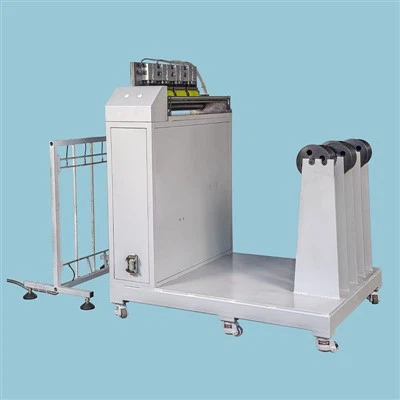
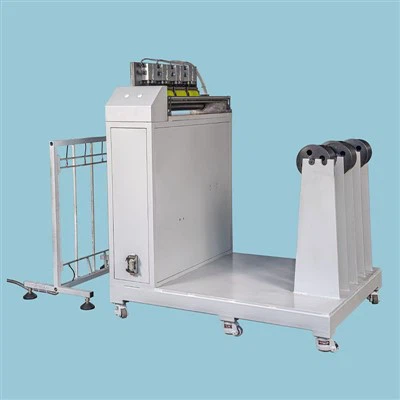
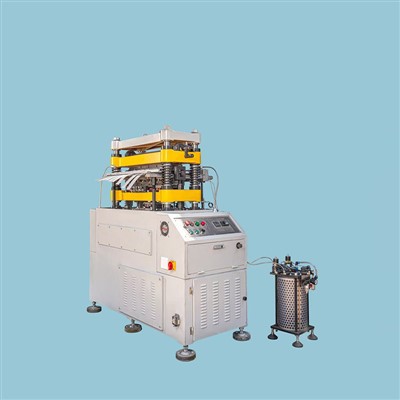
As a leading supplier of Industrial Auto Loaders, I understand the critical role these machines play in enhancing productivity and efficiency in industrial operations. In this blog, I'll share some practical strategies to optimize the performance of an Industrial Auto Loader, drawing on my extensive experience in the field.
1. Regular Maintenance and Inspection
One of the fundamental steps in optimizing the performance of an Industrial Auto Loader is to ensure regular maintenance and inspection. Just like any other industrial equipment, auto loaders are subject to wear and tear over time. Components such as belts, motors, and sensors can degrade, leading to reduced performance or even breakdowns.
- Scheduled Maintenance: Establish a comprehensive maintenance schedule that includes tasks such as lubrication, cleaning, and component replacement. For example, belts should be checked for tension and wear regularly, and lubricants should be applied to moving parts at recommended intervals. This helps to prevent premature failure and ensures smooth operation.
- Inspection: Conduct routine inspections to identify any potential issues early. Look for signs of damage, loose connections, or abnormal noises. For instance, if the loader is making unusual sounds, it could indicate a problem with the motor or a mechanical component. By addressing these issues promptly, you can avoid costly downtime.
2. Operator Training
The performance of an Industrial Auto Loader is heavily dependent on the skills and knowledge of the operators. Proper training ensures that operators can use the equipment effectively and safely, maximizing its performance.
- Initial Training: Provide thorough initial training to new operators. This should cover all aspects of the auto loader, including its operation, safety features, and maintenance procedures. Hands - on training is particularly effective, as it allows operators to gain practical experience with the equipment.
- Ongoing Training: Offer ongoing training to keep operators up - to - date with the latest technologies and best practices. This can include training on new features or software updates for the auto loader. For example, if the loader has been upgraded with a new control system, operators should be trained on how to use it effectively.
3. Optimize Loading and Unloading Processes
Efficient loading and unloading processes are essential for maximizing the performance of an Industrial Auto Loader. By streamlining these processes, you can reduce cycle times and increase throughput.
- Layout Design: Design the layout of the loading and unloading area to minimize the distance the loader has to travel. This can involve arranging the storage areas and workstations in a logical and efficient manner. For example, placing the raw material storage close to the loader can reduce the time it takes to pick up the materials.
- Loading and Unloading Sequences: Develop optimized loading and unloading sequences. This can involve determining the order in which materials are loaded or unloaded based on factors such as weight, size, and destination. For instance, loading heavier materials first can help to balance the loader and improve its stability.
4. Upgrade to Advanced Technologies
In today's rapidly evolving industrial landscape, upgrading to advanced technologies can significantly enhance the performance of an Industrial Auto Loader.
- Automation and Robotics: Consider incorporating automation and robotics into the auto loader system. This can improve accuracy, speed, and repeatability. For example, an 8 - Spool Automatic Unwinding Machine can automatically unwind multiple spools of material, reducing the need for manual intervention.
- Intelligent Control Systems: Install intelligent control systems that can monitor and adjust the performance of the auto loader in real - time. These systems can optimize parameters such as speed, acceleration, and load capacity based on the specific requirements of the operation. For instance, a high - speed auto loader equipped with an intelligent control system can adjust its speed to match the production rate of the downstream process.
5. Monitor and Analyze Performance Data
Monitoring and analyzing performance data is crucial for identifying areas for improvement and making informed decisions.
- Data Collection: Use sensors and monitoring devices to collect data on various aspects of the auto loader's performance, such as cycle times, load capacity, and energy consumption. This data can be used to track the performance over time and identify trends.
- Performance Analysis: Analyze the collected data to identify bottlenecks, inefficiencies, or areas where the performance can be improved. For example, if the data shows that the loader is frequently operating at a low load capacity, it may indicate a problem with the loading process or the material handling system. Based on the analysis, you can implement targeted improvements to optimize the performance.
6. Compatibility with Other Equipment
Ensuring compatibility with other equipment in the production line is essential for seamless operation and optimal performance.
- Interface Design: Design the auto loader to have a seamless interface with other equipment, such as conveyors, processing machines, and storage systems. This can involve standardizing communication protocols and mechanical connections. For example, if the loader is to be integrated with a conveyor system, ensure that the height and width of the loader are compatible with the conveyor.
- System Integration: Work closely with other equipment suppliers to ensure proper system integration. This can involve coordinating the installation, commissioning, and operation of the auto loader and other equipment. For instance, when integrating an Automatic Unwinder with the auto loader, ensure that the unwinding speed and the loading speed are synchronized.
7. Energy Efficiency
Improving energy efficiency not only reduces operating costs but also contributes to environmental sustainability.
- Energy - Saving Features: Look for auto loaders that are equipped with energy - saving features, such as variable - speed drives and energy - recovery systems. Variable - speed drives can adjust the speed of the motor based on the load, reducing energy consumption. Energy - recovery systems can capture and reuse energy that would otherwise be wasted.
- Optimized Operation: Train operators to operate the auto loader in an energy - efficient manner. This can include avoiding unnecessary idling, using the appropriate speed and load settings, and turning off the equipment when not in use.
8. Customization and Adaptability
Every industrial operation is unique, and a one - size - fits - all approach may not be suitable for optimizing the performance of an Industrial Auto Loader.


- Customization: Offer customization options to meet the specific requirements of different customers. This can involve modifying the design, capacity, or functionality of the auto loader. For example, if a customer has a specific loading pattern or material handling requirement, the loader can be customized to accommodate it.
- Adaptability: Ensure that the auto loader is adaptable to changes in the production process or the materials being handled. This can involve designing the loader with modular components that can be easily replaced or upgraded. For instance, if the customer starts using a different type of material, the loader can be adapted to handle it.
Conclusion
Optimizing the performance of an Industrial Auto Loader requires a comprehensive approach that includes regular maintenance, operator training, process optimization, technology upgrades, data analysis, compatibility, energy efficiency, and customization. By implementing these strategies, you can significantly enhance the productivity, efficiency, and reliability of your auto loader, ultimately leading to a competitive edge in the market.
If you are interested in learning more about our Industrial Auto Loaders or discussing how we can help you optimize the performance of your equipment, we invite you to contact us for a procurement discussion. Our team of experts is ready to assist you in finding the best solutions for your industrial needs.
References
- Smith, J. (2018). Industrial Equipment Maintenance Best Practices. Industrial Press.
- Johnson, A. (2019). Automation in Industrial Material Handling. Wiley.
- Brown, C. (2020). Energy - Efficient Industrial Equipment. Elsevier.