Can an Automatic Unwinder be used for materials with high friction coefficients?
As a supplier of Automatic Unwinders, I often get asked whether our machines can handle materials with high friction coefficients. This is a valid question, as the friction between the material and the unwinding equipment can significantly affect the performance and efficiency of the unwinding process. In this blog post, I will explore this topic in detail and provide insights into how our Automatic Unwinders can be used with high-friction materials.
Understanding Friction in Unwinding
Friction is a force that resists the relative motion between two surfaces in contact. In the context of unwinding, friction can occur between the material being unwound and the various components of the unwinder, such as the rollers, guides, and tensioning devices. High friction coefficients mean that there is a greater resistance to the movement of the material, which can lead to several challenges during the unwinding process.


One of the main issues with high-friction materials is the potential for excessive tension. When the friction is high, more force is required to unwind the material, which can cause the tension to increase. Excessive tension can lead to stretching, tearing, or even breakage of the material, especially if it is delicate or has a low tensile strength. Additionally, high tension can put additional stress on the unwinder components, leading to premature wear and tear.
Another challenge is the potential for slippage. If the friction between the material and the unwinder components is too high, the material may not be able to move smoothly, causing it to slip or bunch up. This can result in uneven unwinding, which can affect the quality of the final product.
Factors Affecting Friction in Unwinding
Several factors can affect the friction coefficient of the material and the unwinding process. These include:
- Material properties: The type of material, its surface texture, and its flexibility can all affect the friction coefficient. For example, materials with a rough surface or high stiffness may have a higher friction coefficient than smooth or flexible materials.
- Unwinder design: The design of the unwinder, including the type of rollers, guides, and tensioning devices, can also affect the friction. For example, rollers with a smooth surface or a low coefficient of friction can reduce the friction between the material and the unwinder.
- Operating conditions: The speed, tension, and temperature of the unwinding process can also affect the friction. For example, higher speeds and tensions can increase the friction, while lower temperatures can reduce it.
Using Automatic Unwinders with High-Friction Materials
Despite the challenges associated with high-friction materials, our Automatic Unwinders are designed to handle a wide range of materials, including those with high friction coefficients. Here are some ways in which our machines can be used effectively with high-friction materials:
- Adjustable tension control: Our Automatic Unwinders are equipped with adjustable tension control systems that allow you to adjust the tension of the material during the unwinding process. This helps to prevent excessive tension and ensures that the material is unwound smoothly and evenly.
- Low-friction components: We use high-quality rollers, guides, and other components with low coefficients of friction to reduce the friction between the material and the unwinder. This helps to minimize the risk of slippage and ensures that the material moves smoothly through the unwinder.
- Customized solutions: We understand that every application is unique, and we offer customized solutions to meet the specific needs of our customers. Our team of engineers can work with you to design an unwinder that is optimized for your high-friction material and application.
Case Studies
To illustrate the effectiveness of our Automatic Unwinders with high-friction materials, here are some case studies:
- Case Study 1: Unwinding a high-friction textile material
A customer in the textile industry was experiencing problems with unwinding a high-friction textile material. The material was prone to stretching and tearing, and the unwinding process was slow and inefficient. We provided the customer with an Automatic Unwinder equipped with adjustable tension control and low-friction components. The new unwinder was able to unwind the material smoothly and evenly, reducing the risk of stretching and tearing and improving the efficiency of the unwinding process. - Case Study 2: Unwinding a high-friction plastic film
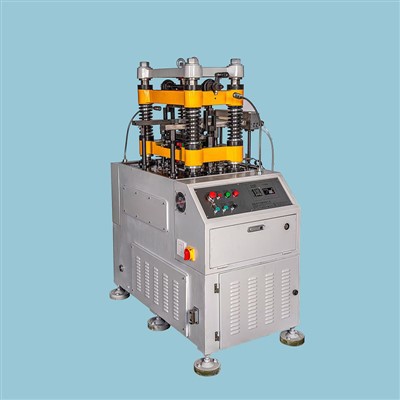
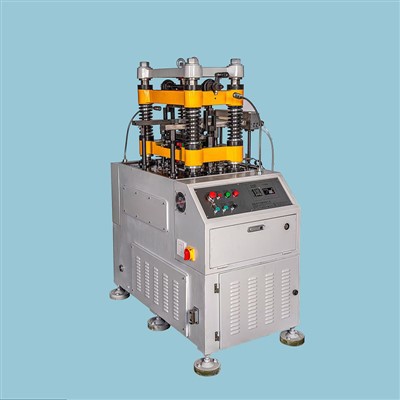
A customer in the packaging industry was using a traditional unwinder to unwind a high-friction plastic film. The film was slipping and bunching up, causing uneven unwinding and quality issues. We provided the customer with a 6-Spool Automatic Unwinding Machine 6-Spool Automatic Unwinding Machine equipped with advanced tension control and low-friction components. The new unwinder was able to unwind the film smoothly and evenly, eliminating the slippage and bunching issues and improving the quality of the final product.
Conclusion
In conclusion, our Automatic Unwinders can be used effectively with materials with high friction coefficients. By using adjustable tension control, low-friction components, and customized solutions, we can help you overcome the challenges associated with high-friction materials and ensure that your unwinding process is smooth, efficient, and reliable.
If you are interested in learning more about our Automatic Unwinders or have any questions about using them with high-friction materials, please contact us. We would be happy to discuss your specific needs and provide you with a customized solution.
References
- Smith, J. (2018). Principles of Unwinding and Rewinding. Industrial Press.
- Jones, A. (2019). Friction and Wear in Industrial Applications. Elsevier.