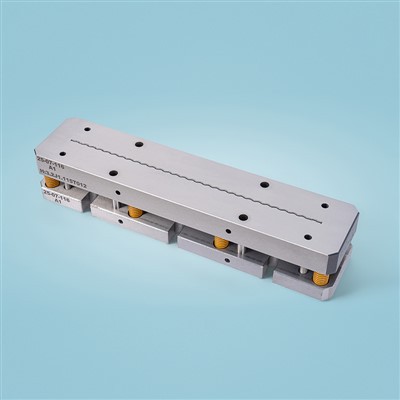
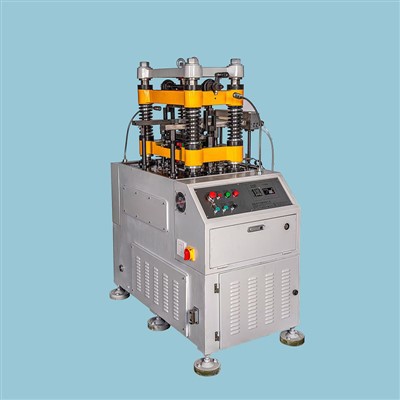
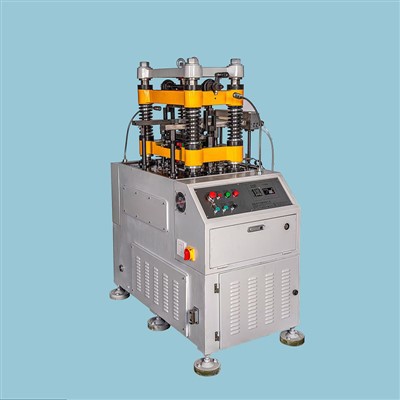
As a supplier of Servo Cutters, I often get asked about the cutting edge replacement frequency of these machines. It's a crucial question because the cutting edge is the heart of the Servo Cutter, and its performance directly impacts the quality and efficiency of the cutting process. In this blog, I'll share some insights on this topic based on my experience in the industry.
First off, let's understand what a Servo Cutter is. A Servo Cutter is a high - precision cutting device that uses servo motors to control the cutting process. It's widely used in various industries, such as wire processing, textile, and packaging, to make accurate and clean cuts. There are different types of Servo Cutters, like the Servo Wire Cutter and the Direct Drive Servo Cutting Machine.
The replacement frequency of the cutting edge in a Servo Cutter depends on several factors. One of the main factors is the type of material being cut. If you're cutting soft materials like thin wires or fabrics, the cutting edge will last longer compared to cutting hard or abrasive materials. For example, when cutting copper wires, the cutting edge can withstand a relatively large number of cuts before it needs to be replaced. But if you're cutting steel wires or materials with high silicon content, the cutting edge will wear out much faster.
Another important factor is the cutting speed. Higher cutting speeds put more stress on the cutting edge, which can lead to faster wear. If your Servo Cutter is running at a very high speed to meet production demands, you'll likely need to replace the cutting edge more frequently. On the other hand, if you're operating at a lower speed, the cutting edge will have less wear and tear, and its lifespan will be extended.
The quality of the cutting edge itself also plays a significant role. High - quality cutting edges made from premium materials are more durable and can last longer. They are designed to resist wear and maintain their sharpness over a longer period. Cheaper cutting edges may seem like a cost - effective option at first, but they often need to be replaced more frequently, which can end up costing you more in the long run.
Let's talk about some general guidelines for replacement frequency. For light - duty applications where you're cutting soft materials at a relatively low speed, you might be able to use the same cutting edge for several thousand cuts. For example, in a small - scale wire - cutting operation for electronic components, the cutting edge could last for 5000 - 10000 cuts.
However, in heavy - duty applications with hard materials and high - speed cutting, the cutting edge may need to be replaced after just a few hundred cuts. In a large - scale metal - wire cutting factory, where the Servo Cutter is running at full speed throughout the day, the cutting edge might need to be changed every 200 - 500 cuts.
It's also important to monitor the performance of the cutting edge regularly. You can do this by checking the quality of the cuts. If you notice that the cuts are becoming rough, uneven, or if there are burrs on the cut edges, it's a sign that the cutting edge is wearing out and needs to be replaced. Additionally, you can measure the cutting force. An increase in the cutting force required to make a cut indicates that the cutting edge is losing its sharpness.
To maximize the lifespan of the cutting edge, proper maintenance is essential. Keep the cutting edge clean and lubricated. Use the right lubricant for the type of material you're cutting. This will reduce friction and heat during the cutting process, which in turn will slow down the wear of the cutting edge. Also, make sure to store the cutting edge properly when it's not in use. Keep it in a dry and protected environment to prevent corrosion.
As a Servo Cutter supplier, I understand the importance of providing high - quality cutting edges and offering guidance on their replacement frequency. We have a wide range of cutting edges available for different types of Servo Cutters, and we can help you choose the right one for your specific application.


If you're in the market for a Servo Cutter or need to replace your cutting edges, we're here to assist you. Our team of experts can provide you with detailed information about the products and help you make an informed decision. Whether you're a small business or a large - scale manufacturer, we can offer solutions that meet your needs. Don't hesitate to reach out to us for more information or to start a procurement discussion.
In conclusion, the cutting edge replacement frequency of a Servo Cutter is influenced by multiple factors, including the material being cut, cutting speed, and the quality of the cutting edge. By understanding these factors and following proper maintenance procedures, you can optimize the performance of your Servo Cutter and reduce costs associated with frequent edge replacements.
References
- Industry knowledge and experience from working as a Servo Cutter supplier.
- Technical manuals and research on Servo Cutter technology.