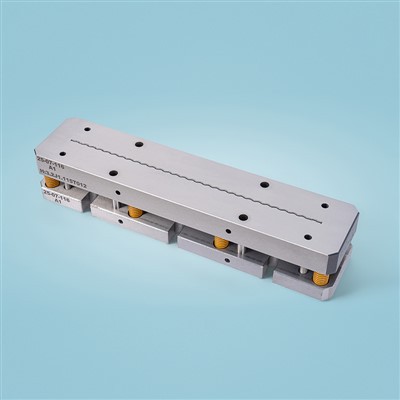
Automatic feeding machines have become an essential part of modern manufacturing systems, playing a critical role in enhancing productivity, improving precision, and reducing operational costs. These machines are primarily designed to automate the feeding of materials into production lines, ensuring that materials are supplied consistently and efficiently to the next phase of the manufacturing process. This technology is particularly valuable in industries like automotive, packaging, metal processing, and more, where high throughput and accuracy are essential.
Market Demand for Automatic Feeding Machines
The demand for automatic feeding machines is being driven by the need for greater efficiency in production processes. Industries such as automotive manufacturing require high-speed feeding systems that can handle large volumes of materials while maintaining precision. For example, in the automotive sector, automatic feeding machines are used to supply parts like fasteners, nuts, bolts, and metal components directly to assembly lines. By automating this process, manufacturers can achieve faster production rates and eliminate the need for manual handling, which is not only time-consuming but also prone to human error.
As businesses strive to enhance their production capabilities and reduce costs, the adoption of automated systems continues to rise. Companies across various sectors are increasingly focusing on improving operational efficiency through automation, and automatic feeding machines play a crucial role in this transformation. These machines allow for continuous, uninterrupted material supply, minimizing downtime and maximizing productivity.
Moreover, the global trend toward lean manufacturing and just-in-time (JIT) production has further fueled the demand for automatic feeding systems. Lean manufacturing focuses on eliminating waste and optimizing resource utilization, and automatic feeding machines contribute to this goal by ensuring that materials are fed into the system only when needed, reducing the need for excess inventory and minimizing space requirements.
Competitive Landscape of the Market
The market for automatic feeding machines is highly competitive, with several players offering a wide range of feeding solutions designed for various industries. These machines come in different types, including vibratory feeders, screw feeders, belt feeders, and pneumatic feeders, each tailored for specific applications. As manufacturing processes become more sophisticated, companies are increasingly looking for feeding systems that can handle a diverse range of materials with varying sizes, shapes, and weights.
To stay ahead in this competitive landscape, manufacturers are investing heavily in research and development (R&D) to improve the precision, speed, and versatility of automatic feeding machines. With technological advancements, today's automatic feeding systems are capable of handling more complex tasks, such as sorting and orientation of materials, ensuring that each piece is delivered in the correct orientation and at the correct time. Additionally, manufacturers are developing systems that can handle different materials, including metals, plastics, and composites, to meet the diverse needs of industries such as automotive, electronics, food processing, and pharmaceuticals.
There is also a growing trend toward integrating automatic feeding machines with other automated systems, such as robotic arms, conveyor belts, and sensors, to create fully automated and highly efficient production lines. These integrated systems offer enhanced capabilities, such as real-time monitoring, automated adjustments, and predictive maintenance, ensuring that the production line runs smoothly with minimal human intervention.
Future Outlook for Automatic Feeding Machines
As industries continue to embrace automation, the demand for automatic feeding machines is expected to rise significantly. The push for increased productivity, higher precision, and cost reduction will drive further innovation in feeding technologies. Manufacturers will focus on developing more customizable solutions to meet the specific needs of different industries, whether it's in terms of material types, production speeds, or system integrations.
Energy efficiency is also becoming a key consideration in the design of automatic feeding machines. As businesses seek to reduce their carbon footprint and lower energy costs, there is a growing demand for feeding systems that are energy-efficient and environmentally friendly. Manufacturers are responding by developing feeding machines that use less power, are quieter in operation, and have reduced wear and tear, thus extending the life cycle of the equipment.
Furthermore, as the global manufacturing landscape becomes more interconnected, the need for smart manufacturing solutions will drive the adoption of automated feeding systems. With the rise of Industry 4.0, which focuses on the integration of cyber-physical systems, Internet of Things (IoT), and big data analytics, feeding machines are likely to become smarter, with built-in sensors and data analytics capabilities. These smart feeding machines will allow manufacturers to track performance, optimize production schedules, and detect potential issues before they cause downtime.
Conclusion
The market for automatic feeding machines is experiencing significant growth, driven by the increasing demand for efficiency, precision, and cost reduction in production processes. As industries continue to embrace automation, the need for high-performance feeding systems that can handle a wide variety of materials and integrate seamlessly into automated production lines will increase. The competitive landscape will become more dynamic, with companies focusing on technological innovation, energy efficiency, and customization to meet the evolving needs of their customers. Manufacturers that can offer innovative, reliable, and energy-efficient feeding systems will be well-positioned to thrive in this rapidly evolving market.