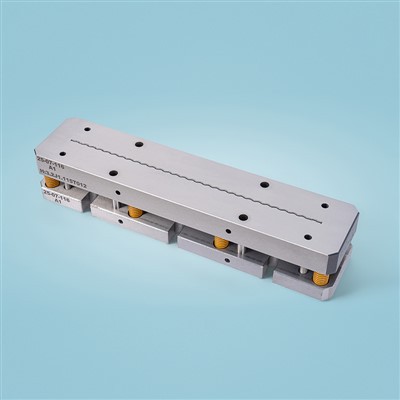
Servo Cutting Machines Maintenance: A Key to Long-Term Performance
Servo cutting machines are sophisticated pieces of equipment designed to provide high-precision cuts for a variety of materials. These machines are integral to industries like automotive, aerospace, and manufacturing, where precision and efficiency are critical. However, like any complex machinery, servo cutting machines require regular maintenance to ensure they continue to perform at their best. Proper maintenance not only extends the lifespan of the machines but also reduces downtime and maintenance costs.
Key Maintenance Tasks
Regular Inspection:
Regular inspection of key components is essential to keeping a servo cutting machine running smoothly. Critical parts like blades, motors, and servo systems should be checked frequently for signs of wear or malfunction. Look for any signs of overheating, unusual vibrations, or irregular sounds, as these may indicate potential issues. Additionally, checking the wiring and electrical components for fraying or damage can prevent serious malfunctions that could halt production. Identifying these issues early on helps to prevent further damage and costly repairs.
Lubrication:
Servo cutting machines feature many moving parts, such as the servo motor bearings, drive shafts, and other mechanical components. Over time, these parts can experience friction, leading to wear and tear. To minimize this, it's essential to properly lubricate these parts at regular intervals. Lubrication helps reduce friction, which not only protects the parts from excessive wear but also enhances their overall performance. Be sure to use the recommended type of lubricant for each part to avoid damage.
Cleaning:
Dust, debris, and material buildup can accumulate inside the machine over time. These particles can damage sensitive components, affect cutting precision, and cause unnecessary wear. Regular cleaning of the machine-especially around the cutting area-is vital for maintaining optimal performance. Cleaning should include not just the external surfaces but also the internal components where material and dust tend to gather. Keeping the machine clean ensures smooth operation and prevents clogging, which can otherwise interfere with the cutting process.
Software and Calibration:
Servo cutting machines rely heavily on advanced software and precise calibration for accurate cutting. Ensuring that the software is up to date is vital for optimizing performance. Manufacturers should regularly update the system software to ensure it incorporates the latest features and bug fixes. Additionally, calibration is a crucial part of maintenance. Regular calibration checks help identify discrepancies in cutting dimensions, ensuring that the machine produces accurate and consistent cuts. If a misalignment is found, it should be corrected immediately to prevent errors in production and maintain cutting accuracy.
Prolonging Machine Life
By implementing a comprehensive maintenance schedule, manufacturers can avoid the costs associated with major repairs or replacements. Routine checks and proactive maintenance ensure that the servo cutting machine continues to operate at peak performance. Over time, this reduces the chances of unexpected breakdowns, which can lead to costly downtime. Moreover, when the machine runs efficiently, it enhances the quality of the products being produced, ensuring that the final output meets the required standards.
Conclusion
In conclusion, proper maintenance is essential for maximizing the performance and longevity of servo cutting machines. Regular inspections, lubrication, cleaning, and software calibration are critical tasks that should be included in any maintenance routine. When followed diligently, these practices ensure that the machine operates at peak efficiency, reduces operational costs, and extends the life of the equipment. Manufacturers who invest in proper maintenance will experience fewer disruptions in production, higher-quality products, and a better return on investment in the long run.