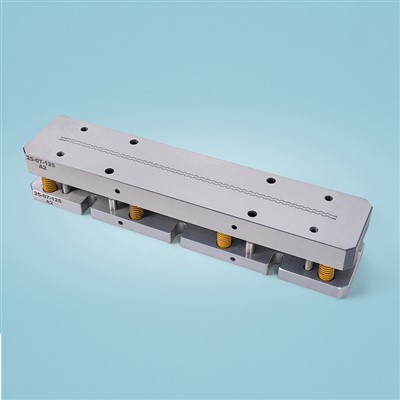
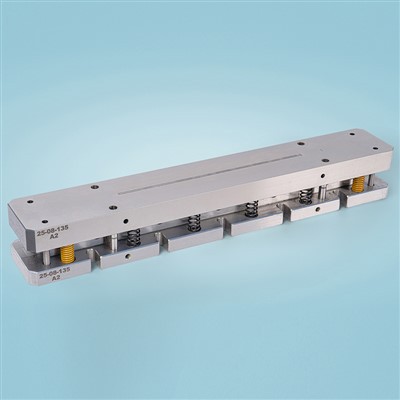
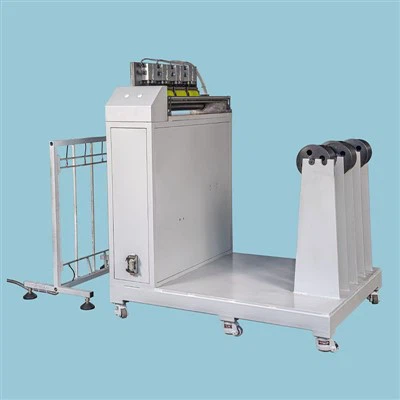
As a supplier of Staggered - tooth Dies, I understand the critical importance of wear resistance in these tools. A Staggered - tooth Die is a specialized piece of equipment used in various stamping and metal - forming processes. Its unique tooth arrangement allows for more efficient and precise operations, but like any tool, it is subject to wear over time. In this blog, I will share some effective strategies to improve the wear resistance of a Staggered - tooth Die.
1. Material Selection
The choice of material is the foundation for enhancing the wear resistance of a Staggered - tooth Die. High - quality tool steels are commonly used due to their excellent hardness and toughness. For example, D2 tool steel is a popular choice. It has high carbon and chromium content, which gives it good wear resistance and the ability to hold sharp edges. Another option is M2 high - speed steel, which offers high hardness even at elevated temperatures, making it suitable for high - speed stamping operations.
When selecting the material, it is essential to consider the specific requirements of the stamping process. If the Die will be used for high - volume production, a more wear - resistant material may be necessary. On the other hand, if the Die is for a low - volume or prototype project, a less expensive but still suitable material can be chosen.
2. Heat Treatment
Heat treatment is a crucial step in improving the wear resistance of a Staggered - tooth Die. Proper heat treatment can significantly increase the hardness and strength of the Die material. The most common heat treatment processes for tool steels include quenching and tempering.
Quenching involves heating the Die to a specific temperature and then rapidly cooling it in a quenching medium, such as oil or water. This process transforms the microstructure of the steel, increasing its hardness. However, quenching can also introduce internal stresses, which need to be relieved through tempering.
Tempering is the process of reheating the quenched Die to a lower temperature and holding it there for a certain period. This helps to reduce the internal stresses and improve the toughness of the Die while maintaining its hardness. The tempering temperature and time should be carefully controlled based on the material and the desired properties of the Die.
3. Surface Coating
Applying a surface coating is an effective way to enhance the wear resistance of a Staggered - tooth Die. There are several types of coatings available, each with its own advantages.
One popular coating is titanium nitride (TiN). TiN coating has high hardness and low friction coefficient, which can reduce the wear between the Die and the workpiece. It also provides good corrosion resistance, protecting the Die from damage caused by environmental factors.
Another option is diamond - like carbon (DLC) coating. DLC coating has excellent wear resistance and low friction, making it suitable for high - speed stamping applications. It can also improve the surface finish of the Die, reducing the adhesion of the workpiece to the Die.
When applying a surface coating, it is important to ensure that the coating is uniform and adheres well to the Die surface. The coating process should be carried out by a professional to ensure the quality of the coating.
4. Design Optimization
The design of the Staggered - tooth Die can also have a significant impact on its wear resistance. A well - designed Die can distribute the stress evenly during the stamping process, reducing the local wear.
One aspect of design optimization is the tooth geometry. The shape and size of the teeth should be carefully designed to ensure smooth and efficient stamping. For example, the tooth profile can be optimized to reduce the contact area between the Die and the workpiece, which can reduce the wear.
Another important factor is the clearance between the Die and the punch. The clearance should be set correctly to ensure that the stamping process is stable and the wear is minimized. If the clearance is too small, the Die and the punch may rub against each other, causing excessive wear. If the clearance is too large, the workpiece may not be formed properly, leading to poor quality and increased wear on the Die.
5. Maintenance and Care
Proper maintenance and care are essential for prolonging the service life of a Staggered - tooth Die. Regular cleaning and inspection can help to detect any signs of wear or damage early and take appropriate measures to prevent further deterioration.
After each use, the Die should be cleaned to remove any debris or lubricant. A soft brush or compressed air can be used to clean the Die surface. It is also important to check the teeth for any signs of chipping or wear. If any damage is detected, the Die should be repaired or replaced immediately.
In addition, proper lubrication is crucial for reducing the wear between the Die and the workpiece. A suitable lubricant should be selected based on the stamping process and the material of the workpiece. The lubricant should be applied evenly to the Die surface to ensure smooth operation.
6. Comparison with Other Dies
To better understand the wear resistance of Staggered - tooth Dies, it is helpful to compare them with other types of dies, such as Press Brake Louver Dies, Corrugated Die, and Flat Bed Die.
Press Brake Louver Dies are used for creating louvered patterns on metal sheets. They are designed to have a specific tooth arrangement to form the louvered shape. While they also need to have good wear resistance, the wear characteristics may be different from Staggered - tooth Dies due to the different stamping operations.
Corrugated Dies are used for creating corrugated shapes on metal sheets. The wear resistance requirements for Corrugated Dies are also unique, as they need to withstand the repeated bending and forming of the metal.


Flat Bed Dies are used for general stamping operations. They have a flat surface and are suitable for a wide range of applications. The wear resistance of Flat Bed Dies depends on the specific stamping process and the material of the workpiece.
7. Conclusion and Call to Action
Improving the wear resistance of a Staggered - tooth Die is a multi - faceted process that involves material selection, heat treatment, surface coating, design optimization, and proper maintenance. By implementing these strategies, you can significantly increase the service life of your Staggered - tooth Die and improve the efficiency and quality of your stamping operations.
If you are interested in purchasing high - quality Staggered - tooth Dies or have any questions about improving their wear resistance, please feel free to contact us for a consultation. We are committed to providing you with the best solutions for your stamping needs.
References
- Smith, J. (2018). Tool Steel Handbook. New York: Metalworking Press.
- Jones, A. (2019). Surface Coatings for Metal Forming Tools. London: Industrial Publishing.
- Brown, C. (2020). Design Principles for Stamping Dies. Chicago: Manufacturing Press.