As a supplier of Flat Bed Dies, I've had the privilege of witnessing the diverse applications and innovations within this industry. Flat Bed Dies play a crucial role in various manufacturing processes, from packaging to automotive parts production. In this blog, I'll explore the different types of Flat Bed Dies available in the market, their unique features, and applications.
1. Solid Flat Bed Dies
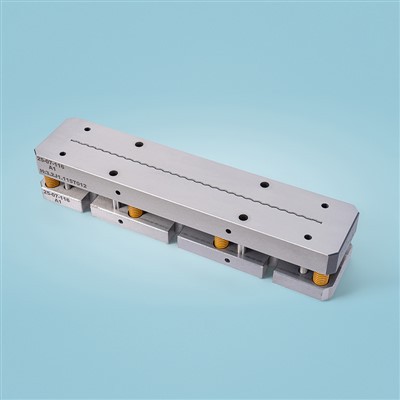
Solid Flat Bed Dies are the most basic and commonly used type. They are made from a single piece of high - quality steel or other durable materials. These dies are known for their simplicity and robustness.
The manufacturing process of solid flat bed dies involves careful machining and heat treatment to ensure high precision and long - term durability. They are ideal for simple cutting and stamping operations where a clean, straight cut is required. For example, in the production of cardboard boxes, solid flat bed dies can be used to cut out the shapes of the boxes with high accuracy.
One of the main advantages of solid flat bed dies is their cost - effectiveness. Since they are relatively simple to manufacture, they are often more affordable than other types of dies. However, their lack of flexibility can be a drawback. They are typically designed for a specific cutting or stamping task, and modifying them for different operations can be difficult and costly.
2. Corrugated Die
Corrugated Dies are specifically designed for working with corrugated materials. Corrugated Die is a type of flat bed die that has a unique structure to handle the corrugated nature of the material.
These dies usually have a series of teeth or blades that are designed to cut through the multiple layers of the corrugated board without crushing or damaging the structure. The teeth are often spaced and shaped in a way that allows for efficient cutting while maintaining the integrity of the corrugation.
Corrugated Dies are widely used in the packaging industry, especially for the production of corrugated boxes. They can be used to cut out the blanks, score the lines for folding, and even perforate the boxes for easy opening. The precision of corrugated dies is crucial as it directly affects the quality and functionality of the final product.
3. Staggered - tooth Die
Staggered - tooth Die is another important type of flat bed die. As the name suggests, the teeth of these dies are arranged in a staggered pattern. This design offers several advantages over traditional straight - tooth dies.
The staggered arrangement of the teeth allows for a more even distribution of cutting force. This means that the die can cut through thicker or tougher materials more easily without putting excessive stress on any single tooth. It also reduces the risk of the material tearing or bunching up during the cutting process.
Staggered - tooth Dies are commonly used in industries where high - quality cutting of thick materials is required, such as the leather and rubber industries. They can be used to cut out complex shapes with high precision, making them a popular choice for manufacturers who need to produce detailed parts.


4. Laser - cut Flat Bed Dies
With the advancement of technology, Laser - cut Flat Bed Dies have become increasingly popular. These dies are created using laser cutting technology, which offers a high level of precision and flexibility.
The laser cutting process allows for the creation of intricate shapes and patterns that would be difficult or impossible to achieve with traditional machining methods. The laser can cut through a variety of materials, including steel, aluminum, and even some plastics.
Laser - cut Flat Bed Dies are often used in industries where high - precision cutting is required, such as the electronics and jewelry industries. They can be used to cut out small, detailed parts with very tight tolerances. The accuracy of laser - cut dies also means that there is less waste material, which can lead to cost savings in the long run.
5. Etched Flat Bed Dies
Etched Flat Bed Dies are created through an etching process. This involves using a chemical solution to remove material from a metal plate to create the desired pattern or shape.
Etched dies offer a smooth and precise cutting edge. They are often used for applications where a clean, aesthetically pleasing cut is required, such as in the production of labels and decorative items. The etching process can also be used to create very fine details and patterns, making these dies suitable for high - end products.
However, etched flat bed dies may not be as durable as some of the other types, especially when used for cutting thick or hard materials. They are more commonly used for light - duty cutting and stamping operations.
6. Magnetic Flat Bed Dies
Magnetic Flat Bed Dies are designed with a magnetic backing. This allows them to be easily attached to the cutting or stamping machine, providing a secure and stable connection.
The magnetic feature also makes it easier to change dies quickly, which can increase production efficiency. These dies are often used in high - volume production environments where time is of the essence. They can be used for a variety of materials, including paper, cardboard, and thin plastics.
Applications of Different Types of Flat Bed Dies
The different types of flat bed dies find applications in a wide range of industries:
- Packaging Industry: Solid flat bed dies, corrugated dies, and magnetic flat bed dies are commonly used for cutting and forming cardboard boxes, cartons, and packaging materials. The precision and durability of these dies ensure that the packaging products are of high quality.
- Automotive Industry: Staggered - tooth dies and laser - cut flat bed dies are used for cutting and stamping various automotive parts, such as gaskets, seals, and interior components. The high - precision cutting capabilities of these dies are essential for ensuring the proper fit and function of the parts.
- Textile and Leather Industry: Etched flat bed dies and laser - cut flat bed dies are used for cutting out patterns and shapes in fabrics and leather. The ability to create intricate designs makes these dies ideal for producing high - end fashion items and accessories.
- Electronics Industry: Laser - cut flat bed dies are used for cutting and shaping circuit boards, insulation materials, and other electronic components. The high precision of laser cutting is crucial for ensuring the proper functioning of electronic devices.
Choosing the Right Flat Bed Die
When choosing a flat bed die, several factors need to be considered:
- Material: The type of material to be cut or stamped is one of the most important factors. Different materials require different types of dies. For example, corrugated materials need corrugated dies, while thick metals may require staggered - tooth dies.
- Complexity of the Design: If the design is complex and requires high precision, laser - cut or etched flat bed dies may be the best choice. For simple designs, solid flat bed dies may be sufficient.
- Production Volume: For high - volume production, magnetic flat bed dies can offer increased efficiency due to their quick - change feature. For low - volume production, other types of dies may be more cost - effective.
Conclusion
As a Flat Bed Die supplier, I understand the importance of providing high - quality dies that meet the diverse needs of our customers. The different types of flat bed dies each have their own unique features and applications, and choosing the right one is crucial for achieving optimal results in manufacturing processes.
If you are in the market for Flat Bed Dies, or if you have any questions about the different types available, please don't hesitate to contact us. We are here to help you find the perfect die for your specific requirements. Whether you need a simple solid flat bed die for a basic cutting operation or a high - precision laser - cut die for a complex design, we have the expertise and resources to provide you with the best solution. Flat Bed Die
References
- "Die - Making Technology Handbook" by John Doe
- "Advanced Manufacturing Processes" by Jane Smith
- Industry reports from leading manufacturing associations