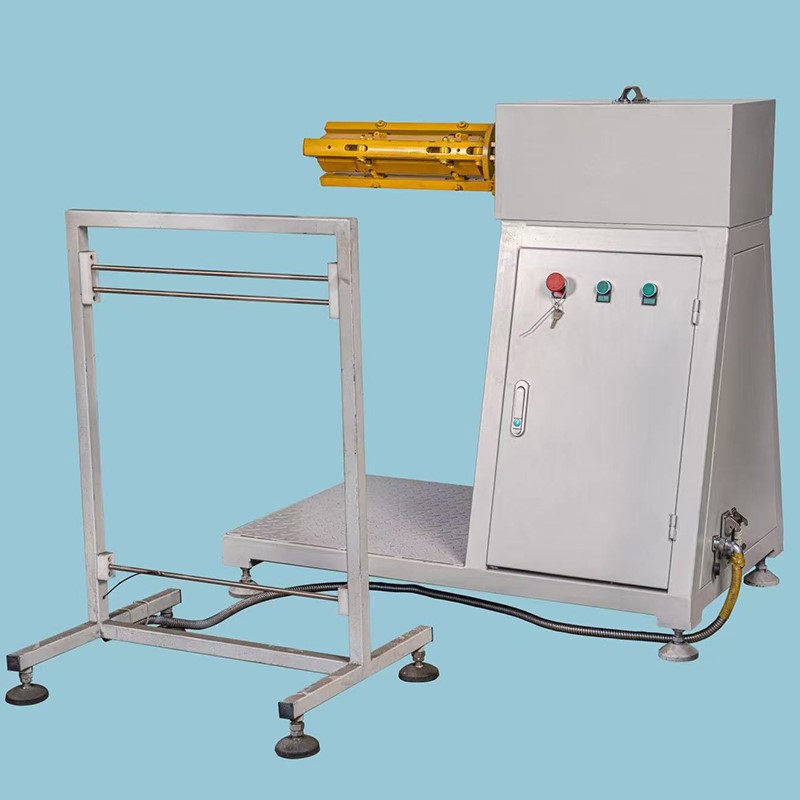
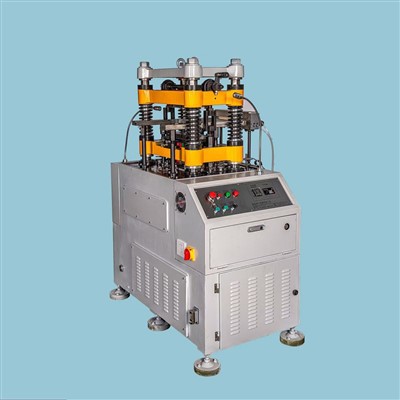
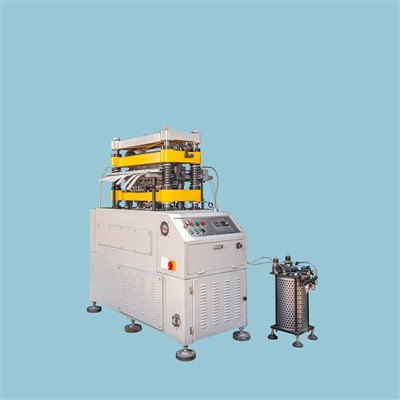
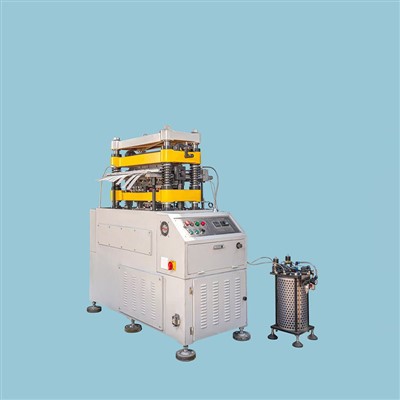
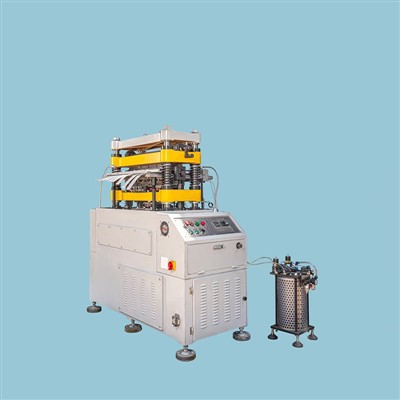
As a key piece of equipment in automated production lines, the execution standards for automatic feeding machines are crucial for both safe and reliable operation, as well as product quality and production efficiency. These standards cover various aspects, including mechanical safety, electrical safety, performance indicators, environmental adaptability, and testing methods. They serve as the technical basis for all stages of design, manufacturing, acceptance, and use. Understanding and implementing these standards helps companies mitigate risks during procurement and application, ensuring the equipment functions stably throughout its entire lifecycle.
Mechanical safety standards are the bottom line for design and manufacturing. Relevant national and international standards clearly stipulate the structural strength, protective devices, and safe distances for moving parts. For example, exposed rotating shafts, gears, and belts must be equipped with robust protective covers to prevent injury from contact. Moving platforms and lifting mechanisms should have reliable mechanical stops or buffers at their travel limits to prevent impacts or tipping due to overtravel. For models involving heavy load handling, load-bearing capacity and anti-tipping stability should also be calculated, and the maximum safe operating load should be specified in the instruction manual to prevent structural failure due to overload operation.
Electrical safety standards emphasize the prevention of electric shock and fire risks. Equipment should meet requirements for insulation class, grounding continuity, and leakage protection. Power lines, control lines, and signal lines must be laid according to functional zones to avoid electromagnetic interference and accidental short circuits. Models used in flammable and explosive environments must also comply with explosion-proof electrical standards, using explosion-proof or increased safety components, and limiting surface temperature within a safe range. Emergency stop devices must be located in easily accessible positions for operators and, upon triggering, instantly cut off the main power supply and stop all moving parts to ensure personnel safety in emergency situations.
Performance index standards specify the basic capabilities and accuracy requirements of the equipment. These include key parameters such as feeding speed range, tension control accuracy, repeatability error, and material roll fit dimensions, usually given in rated values and tolerances for quantitative comparison by both suppliers and buyers during acceptance. For models requiring synchronous operation with other equipment, the standard also specifies communication protocol compatibility and response time to ensure consistent production line rhythm and avoid material accumulation or interruption.
Environmental adaptability standards clarify the operating conditions under which the equipment can operate long-term. Temperature, humidity, dust concentration, and corrosive gas content can affect the lifespan of electronic components and the lubrication effect of machinery. Therefore, standards classify applicable environmental levels. For example, some models can operate stably in workshops with temperatures ranging from 0 to 40 degrees Celsius, while high-humidity or dusty environments require the selection of sealing protection and filtration devices. Clearly defining environmental conditions helps companies configure equipment appropriately based on the actual site, reducing failure rates caused by environmental incompatibility.
Inspection and acceptance standards provide methods for determining the qualification of equipment. These typically include three categories: factory testing, type testing, and on-site acceptance, involving no-load operation, load operation, safety function testing, and parameter calibration. Inspection records should include test data, operator signatures, and dates, serving as a basis for quality traceability. During acceptance, users can check each item listed in the standard, and any non-compliance should be rectified or re-inspected to ensure that the equipment meets expected performance and safety levels before being put into use.
The execution standards for automatic feeding machines serve both as a constraint on manufacturing quality and a guarantee of user rights. Enterprises must proactively align their equipment selection and usage with relevant standards and establish sound management and maintenance systems to ensure that equipment continuously, safely, and efficiently serves production in complex and ever-changing industrial scenarios.