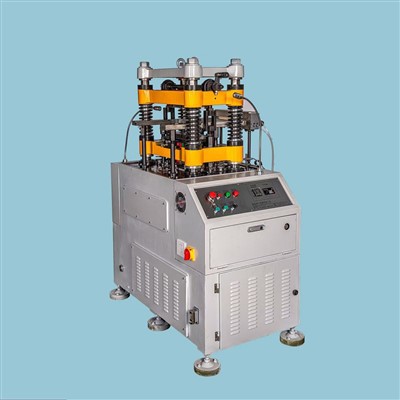
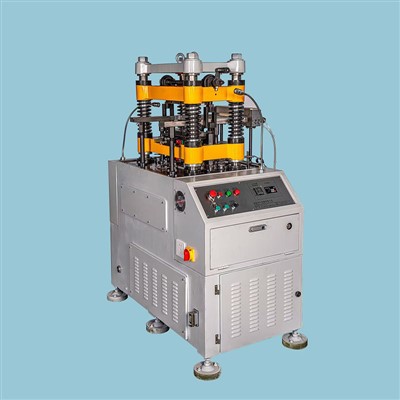
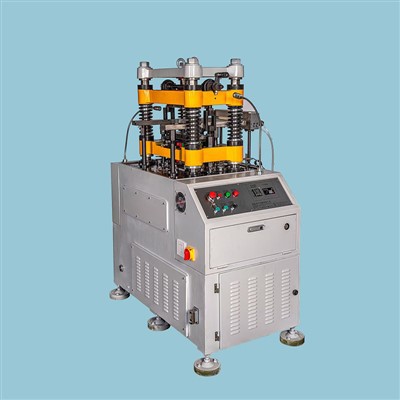
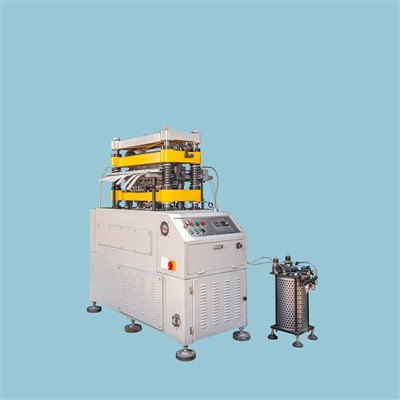
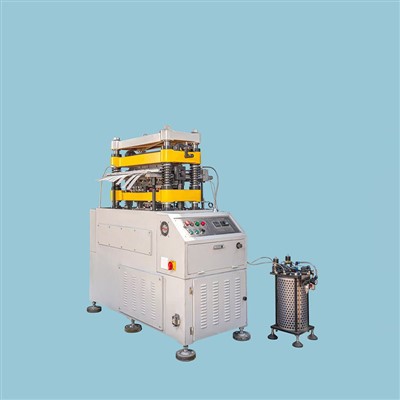
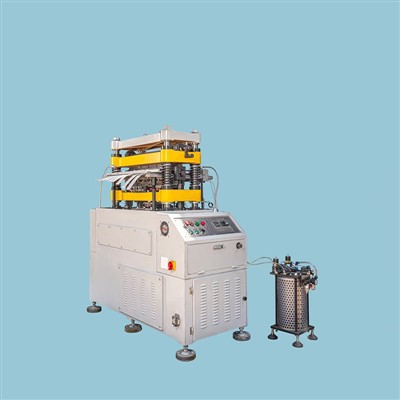
Mold equipment technical specifications refer to the technical requirements and standards that must be followed during the design, manufacturing, acceptance, and use of molds and their supporting molding equipment to ensure mold performance stability, production safety, and product consistency. It covers various aspects such as dimensional accuracy, material properties, structural strength, thermal management systems, surface quality, and inspection methods, serving as a crucial technical link between design and manufacturing, and production and quality.
Regarding dimensional and positional accuracy, specifications typically set tolerance levels based on international or industry standards. For example, for precision injection molds, the critical mating dimensions of the cavity and core may require tolerances within ±0.005 mm, and the flatness and parallelism of the parting surfaces must be controlled within extremely small ranges to avoid flash and uneven filling. The clearance between guide pillars and guide bushings is also clearly defined to ensure a smooth and jam-free mold closing process. These accuracy requirements directly determine the repeatability and interchangeability of product dimensions.
Material performance specifications clarify the material selection and heat treatment requirements for the mold body and key components. The steel used to manufacture molds must meet certain hardness, toughness, wear resistance, and heat resistance standards. Common examples include high-carbon, high-chromium alloy tool steel, which requires quenching and tempering to reach a specified hardness range and, when necessary, nitriding or plating to improve surface properties. Specifications also stipulate limits on the chemical composition of materials to prevent harmful elements from affecting weldability or durability.
Structural strength and stiffness specifications focus on the mold's resistance to deformation under working loads. For die-casting molds or large stamping dies subjected to high pressure, calculations or finite element analysis must verify that the deformation of the cavity under maximum working pressure does not exceed the allowable value to avoid affecting the shape and size of the product. The design of ejection mechanisms, support columns, and mold-locking structures must also meet strength verification standards to ensure that plastic damage or fatigue failure does not occur during frequent cycles.
The thermal management system specifications mainly concern the layout and performance of cooling or heating channels. The diameter, direction, and distribution of cooling water channels must ensure uniform mold temperature, and the temperature difference between the inlet and outlet water must be controlled within a reasonable range to shorten the molding cycle and prevent localized overheating that could lead to material degradation. Heated molds require specifications for heating power, temperature uniformity, and temperature control accuracy to meet the stability requirements of thermosetting materials or special processes.
Surface quality specifications define the surface roughness, texture, and anti-stick properties of the mold cavity. High-gloss surfaces reduce demolding resistance and achieve a mirror-like effect, while etched textures achieve specific aesthetic qualities. Specifications typically cite surface roughness ranges and specify the application conditions for anti-stick coatings or release agents to ensure a smooth molding process and satisfactory product appearance.
Inspection and acceptance specifications define the inspection items and methods before mold delivery, including coordinate measuring machine (CMM), projection comparison, hardness testing, and hydrostatic or pneumatic sealing tests. Each process should have traceable records to ensure problems are identified and corrected before shipment. Periodic re-inspections during the usage phase are also included in the specifications to maintain mold performance stability throughout its entire lifecycle.
Overall, the equipment technical specifications for molds are the fundamental documents for ensuring manufacturing quality and production efficiency. They transform design requirements into executable standards, providing a unified technical reference for different enterprises and regions in mold manufacturing and use, thereby promoting the manufacturing industry towards higher precision, higher reliability, and higher consistency.