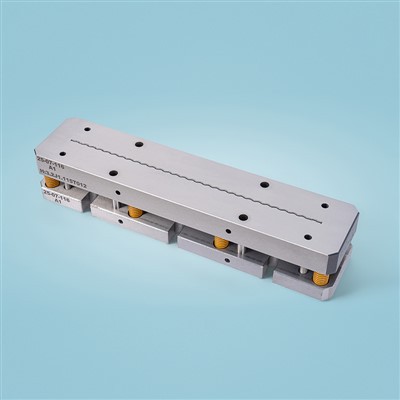
Maintaining stable operation of automatic feeders in continuous production relies on scientific and regular maintenance. It's not just about addressing problems after they occur; daily cleaning, inspection, lubrication, and component replacement ensure the mechanical, electrical, and sensor systems are always in good condition, extending their lifespan, reducing unexpected downtime, and maintaining feeding accuracy. Understanding and implementing maintenance points is essential for maximizing equipment efficiency.
Environmental and Appearance Maintenance is fundamental. The area where the equipment is located should be kept clean, avoiding the long-term accumulation of dust, oil, and metal shavings. These impurities can intrude into guide rails, bearings, or sensors, altering running resistance or obstructing detection signals. A quick surface cleaning can be performed at the end of each day or shift, removing visible dirt with a dry, soft cloth. Compressed air can be used to clean guide rollers and support gaps prone to dust accumulation. Inspect the outer casing and protective covers for damage; repair any damage promptly to prevent foreign objects from entering or personnel from accidentally touching hazardous areas.
The key to inspecting mechanical transmission components is timely detection of wear and looseness. Focus should be placed on conveyor rollers, guide rollers, bearing housings, and couplings. Observe whether rotation is smooth and free of abnormal noise, and whether there are obvious dents or cracks on the surface. Gently rotate key shafts by hand to feel if the resistance is even. If jamming or inconsistent tightness is found, the cause should be identified and adjustments or replacements made. For belt-driven models, the belt tension and surface cracks should be checked regularly to prevent material supply interruptions due to slippage or breakage.
Lubrication is crucial for ensuring low-resistance operation and preventing wear. Different models have different lubrication points and cycles; the oil type and dosage should be specified in the instruction manual. Indiscriminate mixing of oils is strictly prohibited. A common practice is to regularly replenish grease to moving parts such as roller bearings, lead screws, and slide rails. The amount of grease should be a thin layer covering the contact surface; too much will attract dust and form abrasive particles, while too little will increase dry friction. For enclosed lubrication structures, pay attention to the oil level indicator or the manufacturer's recommended replacement cycle to prevent loss of protective function due to oil deterioration.
The maintenance of electrical and sensing systems focuses on reliable connections and accurate signals. Cable sheaths should be checked for aging, dents, or oxidation at connectors, and terminal screws should be tightened to prevent intermittent faults caused by loose connections. All sensor lenses should be kept clean; they can be gently wiped with anhydrous alcohol to ensure the detection range of photoelectric, visual, or proximity switches is not obstructed. For functional components such as encoders and limit switches, their response should be tested regularly to prevent malfunctions or protection failures caused by failures in critical locations.
The maintenance of tension and braking components directly affects the quality of material feeding. For magnetic powder brakes, pneumatic constant tension devices, or servo drive units, attention should be paid to heat dissipation and operating noise. If abnormal temperature rise or unusual noise is detected, the machine should be stopped and inspected. Brake pads or friction components will gradually wear down with use; replacement should be assessed according to wear indicators or operating time to maintain linear and stable tension output.
Establishing a routine maintenance and record-keeping mechanism can make the work more organized. Inspection items can be divided into daily, weekly, and monthly checks; for example, daily checks on appearance and sensors, weekly checks on lubrication and transmission, and monthly checks on electrical connections and wear of critical components. After each maintenance check, a brief record should be made of the time, content, and problems found to facilitate trend tracking and preventative planning. For recurring minor malfunctions, the causes can be analyzed based on the records, and improvements can be made in parameter settings or operating habits.
Maintenance is not just about patching things up; it's about proactive prevention. By consistently implementing these practices, automatic feeders can maintain stable material supply amidst fluctuating production rhythms, reducing the impact of unplanned downtime on the entire production line, and providing a solid guarantee for enterprises to save on maintenance costs and improve the return on equipment investment.