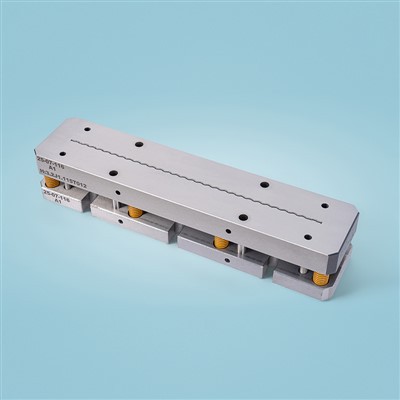
Automatic feeders play a crucial role in the production line, handling the initial material supply. While they boast a mature structure and high degree of automation, some details can still contribute to more stable operation, longer lifespan, and higher efficiency. Mastering these tips can help prevent small problems from escalating into major malfunctions and allow beginners to quickly become proficient.
Pre-start checks are the first step to reliable operation. Don't rush to press the start button; first, ensure there are no obstructions around the equipment, the protective cover and emergency stop button are intact and functional, and all sensor lenses are clean and unobstructed. For pneumatic models, check that the pressure gauge is within the normal range and that there are no signs of leaks at the air pipe joints. For electrically driven models, ensure that the cables and wiring terminals are secure to prevent malfunctions caused by vibration. Check the locking devices for material rolls or hoppers to ensure they are tight enough to prevent displacement or detachment during operation.
Material preparation must be fully compatible with equipment parameters. Raw materials of varying thicknesses, widths, and hardness require significantly different tension and guiding properties. Before feeding, it's best to refer to the process card or previous records to set the tension, speed, and positioning parameters, and observe the effects during small-batch trial runs. For coiled materials, ensure they are centered; eccentricity will subject the bearings to additional radial force, accelerating wear and potentially causing misalignment. For sheet or plate materials, pay attention to the clamping force; too tight will cause indentations, while too loose will easily lead to slippage and misalignment.
Avoid blindly pursuing high speeds during operation. Although the equipment allows for relatively high linear speeds, when using new materials, new specifications, or when the ambient temperature and humidity change, start with a lower speed to ensure stable feeding and constant tension before gradually increasing the speed. If slight vibrations or uneven edges are observed in the material, it often indicates a speed or tension mismatch; immediately slow down and investigate the cause, rather than waiting for downstream processes to report errors.
Tension control is the root of many problems. When manually adjusting, avoid large changes at once. Adjust in small increments and observe the feedback values, especially as the roll diameter gradually decreases. If the system's automatic compensation is not activated, manual correction is necessary; otherwise, end-of-line slack or breakage may occur. For easily stretchable or brittle materials, carefully explore the tension range that maintains flatness without damaging the material.
Daily cleaning is essential. Dust, oil stains, and fine debris can adhere to guide rails, rollers, and sensors, altering friction characteristics or obstructing detection signals. It is recommended to perform a quick wipe at the end of each shift or during material changeovers, focusing on cleaning visible contaminants along the feeding path. For lubrication points, replenish the appropriate amount of grease according to the schedule; too much will attract dust, while too little increases the risk of dry friction.
In case of jamming or abnormal response, stop the machine immediately for troubleshooting. Do not attempt to remove material by hand or with tools while the machine is running; this is not only dangerous but can also damage components. After identifying the cause, perform a low-speed return or reset operation to ensure the path is clear before resuming normal operation. Developing the habit of recording abnormal times and phenomena provides a basis for subsequent analysis of recurring problems.
Personnel coordination and handover are also crucial. Operators and maintainers should have a unified understanding of equipment status indicators and alarm meanings. During shift handover, they should explain the parameter adjustments made and minor anomalies discovered during the previous shift, ensuring the incoming operator is well-informed. Regularly attending brief refresher training sessions reinforces correct operating methods and allows for timely absorption of updated usage suggestions from the manufacturer.
These seemingly trivial tips accumulate into significant and stable benefits in daily production. Make inspection, matching, speed adjustment, tension control, cleaning, and anomaly handling a habit, and the automatic feeder will reach its maximum efficiency, laying a solid foundation for the smooth operation of the entire production line.