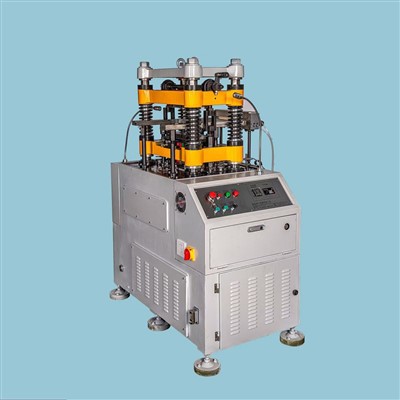
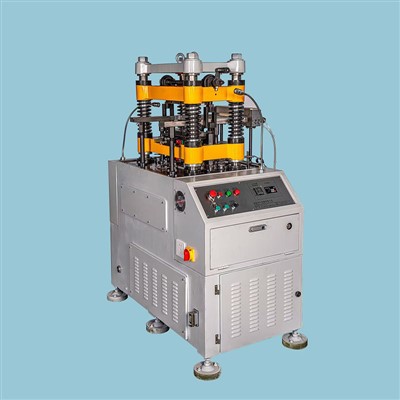
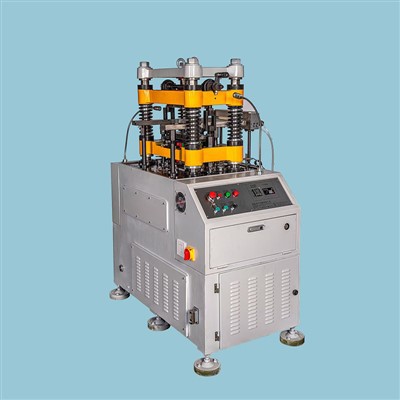
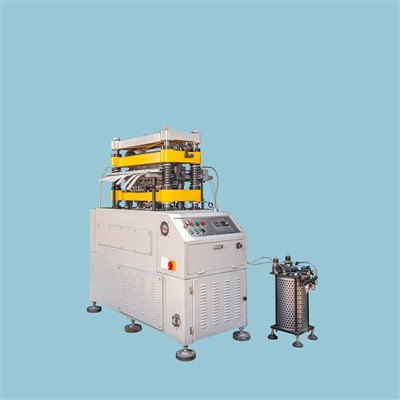
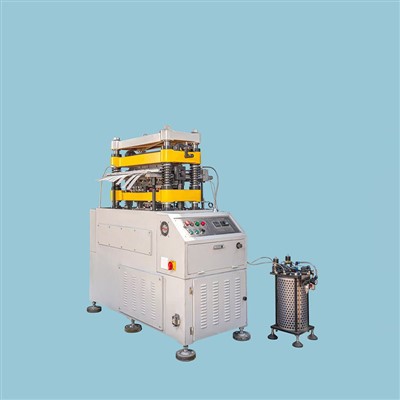
The installation quality of an automatic feeding machine directly affects the stability and feeding accuracy of its subsequent operation. It's not simply a matter of fixing it in place; it's a complex system engineering project involving multiple stages, including foundation preparation, leveling, power connection, and system commissioning. Mastering the key points during installation can prevent problems such as vibration, jamming, or tension loss due to accumulated deviations later, ensuring the equipment is in good working order from the outset.
Adequate preparation before installation is crucial. First, confirm that the load-bearing capacity and dimensions of the installation site meet the maximum load and range of motion of the equipment and material rolls. The ground should be firm and level; if necessary, lay anti-vibration pads or pre-embed fixed parts to reduce vibrations transmitted to the building structure during operation. Verify that the equipment list and accessories are complete, paying particular attention to easily overlooked items such as anchor bolts, connectors, cables, and air line connectors. Read the installation drawings and parameter tables provided by the manufacturer, clarifying power specifications, air pressure requirements, safe spatial distances, and connection points with other workstations. Plan the wiring route and air source connection points in advance.
During equipment placement, precise leveling and orientation adjustments are required. Using a level to measure the main reference surfaces of the machine body, adjust shims or anchor bolts to ensure the entire machine is level, preventing uneven wear of guide rails or premature bearing damage caused by unilateral stress. For models with directional requirements, ensure the feeding direction aligns with the production line flow, and check the rationality of the material roll loading/unloading side and operating surface for convenient daily loading and maintenance. Large or heavy-duty unloading machines should be safely moved in using a hoist or forklift to prevent collision damage to the structure and sensors.
Power and signal connections must be strictly matched. For the electrical system, first disconnect the main power supply, then connect the power and control lines to the corresponding terminals according to the wiring diagram, verifying phase sequence and voltage matching, and ensuring proper grounding of the shielding layer to prevent interference. For the pneumatic system, check the cleanliness and pressure of the air source, install filters and oil mist lubricators at air pipe connections, and test the flexibility and reliability of each actuator. After all wiring and piping are completed, perform insulation and sealing checks to prevent loosening or leakage during operation.
Preliminary commissioning after installation includes verifying the coordination between mechanical and control systems. First, run the machine under no-load to observe whether all moving parts operate smoothly without abnormal noise, and whether the guide rollers, clamping, and pushing mechanisms move in place without interference. Then, conduct a low-speed test run with material to verify whether the starting and ending points of the feeding process meet the requirements, and whether the tension system remains stable despite changes in the coil diameter. If necessary, use measuring tools or marking methods to confirm the consistency between the actual feeding length and the design value, and fine-tune the parameters.
Checking safety devices is equally essential. Protective covers, safety light curtains, emergency stop buttons, and interlocking circuits must be tested item by item to ensure that power is immediately cut off and the machine stops upon triggering. For models that need to synchronize with upstream and downstream equipment, verify that the communication protocol and signal interaction are normal to avoid material accumulation or interruption due to timing discrepancies. After completing all commissioning, installation and testing records should be compiled to provide a basis for subsequent maintenance and training.
The installation of the automatic feeder is both a physical placement and the starting point for system integration. Only with a solid foundation, precise connection, and reasonable parameters can the equipment leverage its advantages of continuous, stable, and accurate material supply, laying a reliable foundation for the efficient operation of the entire automated production line.