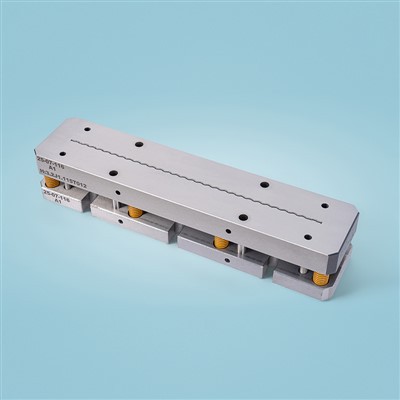
Daily care of servo cutting machines involves regular cleaning, inspection, and maintenance to ensure the equipment remains in good operating condition, guaranteeing cutting accuracy and lifespan. It doesn't wait for malfunctions to occur; instead, maintenance is integrated into daily and periodic operations, reducing wear at the source, preventing sudden downtime, and ensuring production continuity.
Basic pre-start care should begin with a visual inspection of the machine body, guide rails, lead screw, and around the cutter for residual chips, dust, or oil. Remove these promptly with a clean, soft cloth or compressed air to prevent particles from entering moving parts and increasing friction. Check the cutter edge for chips or foreign matter; if necessary, use a specialized cleaner to remove residual adhesive or slag to avoid damaging the material surface or affecting the cut quality. Also, ensure all fastening bolts are tight and the protective cover is intact and correctly positioned. This is both a safety requirement and prevents displacement errors caused by vibration during operation.
Lubrication is one of the core aspects of daily care. The moving parts of a servo cutting machine, such as the guide rails, lead screws, and bearings, rely on appropriate grease to reduce friction and wear. Lubrication should be done according to the type and frequency specified in the equipment manual, avoiding over- or under-lubrication-too much grease can attract dust and form grinding paste, while too little can lead to dryness and jamming. For frequently used equipment, the oil film condition should be checked daily or per shift, and replenished promptly if dryness is detected. Automatic lubrication systems require regular checks of pump oil levels and pipeline patency to prevent blockages and localized lubrication shortages.
During operation, pay attention to subtle changes in the servo system and transmission status. Listen for abnormal noises, such as sharp friction sounds or irregular impact sounds, which may indicate guide rail misalignment, increased lead screw backlash, or a loose drive belt. Observe the position feedback and speed curves on the display screen for stability. If fluctuations or alarm codes occur, stop the machine immediately for troubleshooting to prevent small problems from escalating into component damage. For frequent start-stop or high-speed cutting operations, also monitor the temperature rise of the motor and driver, ensuring the cooling fan is operating normally and the ventilation ducts are unobstructed.
Final maintenance after each day's work is equally important. After powering off, use the downtime to clean the cutter to relieve stress, and lightly apply rust-preventive oil to the blade edge and exposed metal surfaces to prevent corrosion caused by moisture. Clean the chip collection trough and waste conveying channel to ensure smooth chip removal and prevent chip accumulation from affecting the next feed. Check and reposition the clamps and positioning blocks to ensure consistent clamping positions for the next setup, which directly helps maintain repeatability. Record the operating parameters and abnormal phenomena of the shift to provide a basis for periodic maintenance and fault analysis.
Periodic maintenance should be planned according to usage intensity. For example, check the alignment of the coupling weekly, verify the sensitivity of the limit switches and origin sensors monthly, and disassemble and clean the lead screw and nut assembly and check the aging of the seals quarterly. For the electrical components, regularly clean the control cabinet filter and check the tightness and insulation resistance of the wiring terminals to prevent poor contact caused by moisture or dust.
The daily maintenance of a servo cutter is essentially about using meticulousness and persistence to achieve stability and precision. Through daily cleaning, lubrication, condition monitoring, and final maintenance, coupled with periodic in-depth inspections, the equipment can maintain good performance during long-term high-load operation, extending its lifespan and reducing maintenance costs, thus providing solid support for production efficiency and product quality.