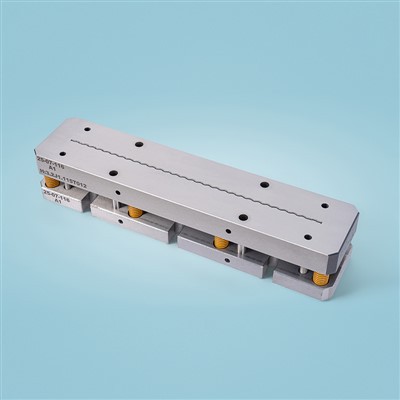
The maintenance cycle of an automatic feeder refers to the time intervals for various inspections, cleaning, lubrication, and component replacements, rationally arranged according to the equipment's operating characteristics and usage environment, to maintain its feeding accuracy, operational stability, and service life. Unlike one-time maintenance, periodic maintenance can eliminate potential problems before they occur, reducing the impact of sudden downtime on production rhythm, which is especially crucial for continuously operating production lines.
Daily maintenance is generally performed after each shift or daily operation, focusing on cleaning and visual inspection. Dust, debris, and oil stains must be cleaned from the conveyor rollers, guide rails, material trays, and sensor surfaces to prevent foreign objects from altering frictional characteristics or obstructing detection signals. Check for air leaks in air circuit connections, ensure the air pressure gauge reading is within the normal range, and confirm that the fixing devices for the roll material or hopper are not loose. For models using magnetic powder brakes or servo tension, the tension display value should also be observed to ensure stability, preventing dust intrusion from affecting control accuracy. This type of maintenance is time-efficient but effectively prevents minor problems from accumulating into malfunctions.
Weekly maintenance is performed at a fixed time each week and involves more detailed procedures than daily maintenance. It requires checking the tension and wear of drive chains, belts, or timing belts, adjusting tension or replacing damaged sections as necessary. Apply an appropriate amount of grease to roller bearings, ensuring the use of oil compatible with the equipment's requirements to avoid increased resistance or excessive leakage due to improper viscosity. Check the sensitivity and installation position of limit switches and photoelectric sensors, remove any dirt that may affect sensing, and verify signal response using test pieces. For material trays with lifting functions, check the smoothness of hydraulic or pneumatic cylinder operation and inspect for leaks in the pipelines.
Monthly maintenance focuses on the precision of mechanical fit and the reliability of electrical connections. It requires measuring the straightness and parallelism of the conveyor rails, adjusting any slight deviations promptly to prevent material deviation and accelerated wear. Check the wiring harnesses connecting the servo motor and driver, tightening the terminals to prevent malfunctions caused by poor contact due to vibration. Calibrate the tension control system to confirm that the output and displayed values match, and assess the remaining lifespan of magnetic powder, brake pads, or sensors based on usage frequency. Lubrication points should be fully replenished according to the manual, especially at the interfaces of the lead screw, guide rails, and reducer.
Quarterly or semi-annual maintenance can be combined as appropriate depending on the equipment load, and includes more in-depth component disassembly and inspection. For example, disassemble the roller assembly to inspect bearing clearance, replace seals or springs that have reached their service life; check the performance degradation of brake and clutch components that have been exposed to heat for extended periods, and replace friction materials if necessary. Clean the internal dust from the electrical cabinet, check fan operation and the unobstructed flow of heat dissipation channels to prevent derating or damage to control components due to high temperatures. For models with software parameters, this opportunity can be used to back up and verify the parameter version to ensure compatibility with current processes.
Annual maintenance often involves a systematic overhaul based on the manufacturer's recommendations, including recalibrating the feed position reference, checking the overall machine vibration level, assessing changes in structural rigidity, and performing preventative replacement of all consumable parts. This type of maintenance has a longer cycle, but it plays a significant role in maintaining the long-term accuracy and reliability of the equipment.
When formulating maintenance schedules, factors such as equipment operating time, material types, environmental conditions, and historical failure rates should be comprehensively considered; a fixed schedule should not be mechanically applied. High-dust or high-humidity environments require shorter cleaning and inspection intervals, while heavy-duty, continuously operating equipment should have more frequent lubrication and tension calibration. A comprehensive periodic maintenance plan, combined with record keeping and data analysis, can keep the automatic feeder in good working condition, providing a solid guarantee for the continuous and efficient operation of the production line.